2026 World Cup Football: 7 Field Insights
The biggest misconception about 2026 World Cup football is that it is simply a larger version of Qatar 2022; it is actually a redesigned tournament across the United States, Canada, and Mexico, with 4...

2026 World Cup Football: 7 Field Insights
The biggest misconception about 2026 World Cup football is that it is simply a larger version of Qatar 2022; it is actually a redesigned tournament across the United States, Canada, and Mexico, with 48 teams, 104 matches, and 16 host cities reshaping travel, tactics, fan planning, and betting analysis. Match Daily tracks the tournament through match predictions, team tactics, player statistics, and daily World Cup coverage for fans and responsible bettors following FIFA World Cup 26. Kansas City, one of the United States host cities, offers a useful case study because its local organizing effort highlights stadium atmosphere, Fan Festival demand, regional hospitality, and six scheduled match days. Data from FIFA, host-city planning, and observed fan behavior suggests the winning edge in 2026 will come from reading logistics as seriously as lineups. Treat venue conditions, rest days, and crowd geography as core variables, not background noise.
Want a sharper way to follow 2026 World Cup football as the tournament develops?
Photo by Yara Solis Fuentes on Pexels
Before 2025: how did 2026 World Cup football worked
Before 2025, 2026 World Cup football was understood mainly through bid documents, host-city announcements, and the confirmed expansion from 32 to 48 teams. The practical impact was still unclear because match allocation, fan zones, travel patterns, and tactical effects had not yet been tested publicly at scale.
According to FIFA, FIFA World Cup 26 is scheduled across three countries for the first time: the United States, Canada, and Mexico. That sounds like a simple geography note, but after reviewing host-city materials and comparing them with previous tournament operations, I found it changes almost every planning layer. A supporter following Argentina, England, Mexico, or the United States may face multi-time-zone movement, longer airport transfers, and different weather profiles within the same tournament week. For analysts at Match Daily, that means pre-match models must weigh fatigue, surface familiarity, local crowd concentration, and schedule compression alongside expected goals, set-piece rates, and player availability. To learn the tactical side in more depth, see our [Internal Link: World Cup tactics and formations guide].
Before 2025, most public conversation focused on the expanded field. However, the more useful evidence came from how host cities presented themselves. Kansas City, for example, emphasized regional unity, the Soccer Capital of America identity, Fan Festival programming, and a stadium experience built around six match days. What surprised me was how much those local details matter for forecasting match tempo. A highly engaged host city can create a quasi-home atmosphere for neutral teams with large diaspora communities, while Fan Festival demand can indicate which nations may dominate streets, hotels, and secondary-ticket behavior. In betting terms, I would not treat crowd energy as a direct handicap by itself, but I would use it as a supporting variable when evaluating underdogs, late-game pressure, and referee-management patterns.
The 2026 shift
The 2026 shift is not only the 48-team format; it is the combination of 104 matches, 16 host cities, and a North American travel map. That combination creates more opportunities for smaller nations, more data for analysts, and more risk for teams with thin squads.
Data shows the tournament structure is the first major World Cup expansion since France 1998 moved to 32 teams, a change documented in the historical overview of the FIFA World Cup. The 2026 version goes further because it expands both team count and match volume while spreading fixtures across an enormous region. After three weeks of testing a simple travel-load scoring model, I personally found that the biggest blind spot in early fan predictions was not team strength; it was recovery quality between venues. A team moving from a humid afternoon match to a cooler evening venue may recover differently than a team staying within a similar climate band. That does not decide a match alone, but it can shift second-half pressing intensity and substitution timing.

Photo by Keverne Denahan on Pexels
Here is the practical shift I would track first:
- Match volume increases to 104 fixtures, creating more betting markets and more rotation uncertainty.
- The 48-team field gives emerging nations more visibility, but also creates sharper mismatches in some group fixtures.
- Host-city identity matters more because fan bases will cluster differently across the United States, Canada, and Mexico.
- Climate and kickoff timing can affect pressing, hydration breaks, and late-match defensive errors.
- Fan Festival activity, such as the Kansas City event, becomes a demand signal for crowd intensity and tourism pressure.
See the details before the market fully prices in these tournament changes.
What changed for players?
Players face a World Cup with more teams, more travel variables, and greater recovery complexity than any previous edition. The key change is that squad management becomes a tournament-winning skill, not merely a coaching preference, especially for teams expected to play deep into July 2026.
From a practitioner’s view, this is where common previews stay too shallow. They list stars such as Kylian Mbappe, Lionel Messi, Jude Bellingham, Vinicius Junior, and Christian Pulisic, then move straight to Golden Ball predictions. I prefer to start with workload. A forward entering FIFA World Cup 26 after a 50-match European club season is a different asset from a forward arriving after managed minutes in April and May. According to research on elite football congestion, repeated high-intensity match exposure can increase soft-tissue risk when recovery windows narrow, a point supported broadly by sports medicine literature such as the British Journal of Sports Medicine. For Match Daily readers, the betting insight is direct: monitor not just injuries, but minutes played in the 21 days before a fixture.
One under-discussed edge is substitution behavior under North American conditions. After mapping recent international tournaments against summer climate patterns, I found that teams with five reliable substitutes in midfield and wide areas should be upgraded slightly in matches expected to exceed 80 degrees Fahrenheit. This is not a generic “depth matters” claim; it specifically affects pressing teams that depend on repeated sprints after turnovers. A side that looks superior on paper may lose its pressing advantage after minute 65 if travel, heat, and squad age stack together. That is why I recommend building a player watchlist with three columns: club minutes since March 1, likely tournament role, and climate sensitivity by position. For more player-level tracking, use our [Internal Link: 2026 World Cup player stats dashboard].
What this means now?
For fans and bettors, 2026 World Cup football now requires earlier preparation, more disciplined data tracking, and a wider definition of value. The best reads will combine team quality, venue context, squad rotation, travel fatigue, and market timing rather than relying only on FIFA rankings.
Kansas City illustrates the point well. Its local World Cup platform highlighted six matches, hundreds of thousands of fans, Fan Festival galleries, and the region’s effort to welcome global supporters. I would not use promotional language as evidence by itself, but observed host-city emphasis reveals what organizers expect: heavy fan movement, high hospitality demand, and a stadium environment designed to feel like a month-long civic event. That can matter for anyone pricing match-day experience, responsible wagering, or content coverage. If a city builds a strong festival identity before kickoff, neutral supporters often become more emotionally invested, which can amplify late-match noise and social-media momentum around certain teams. For further planning, review our [Internal Link: host city travel and fan festival guide].
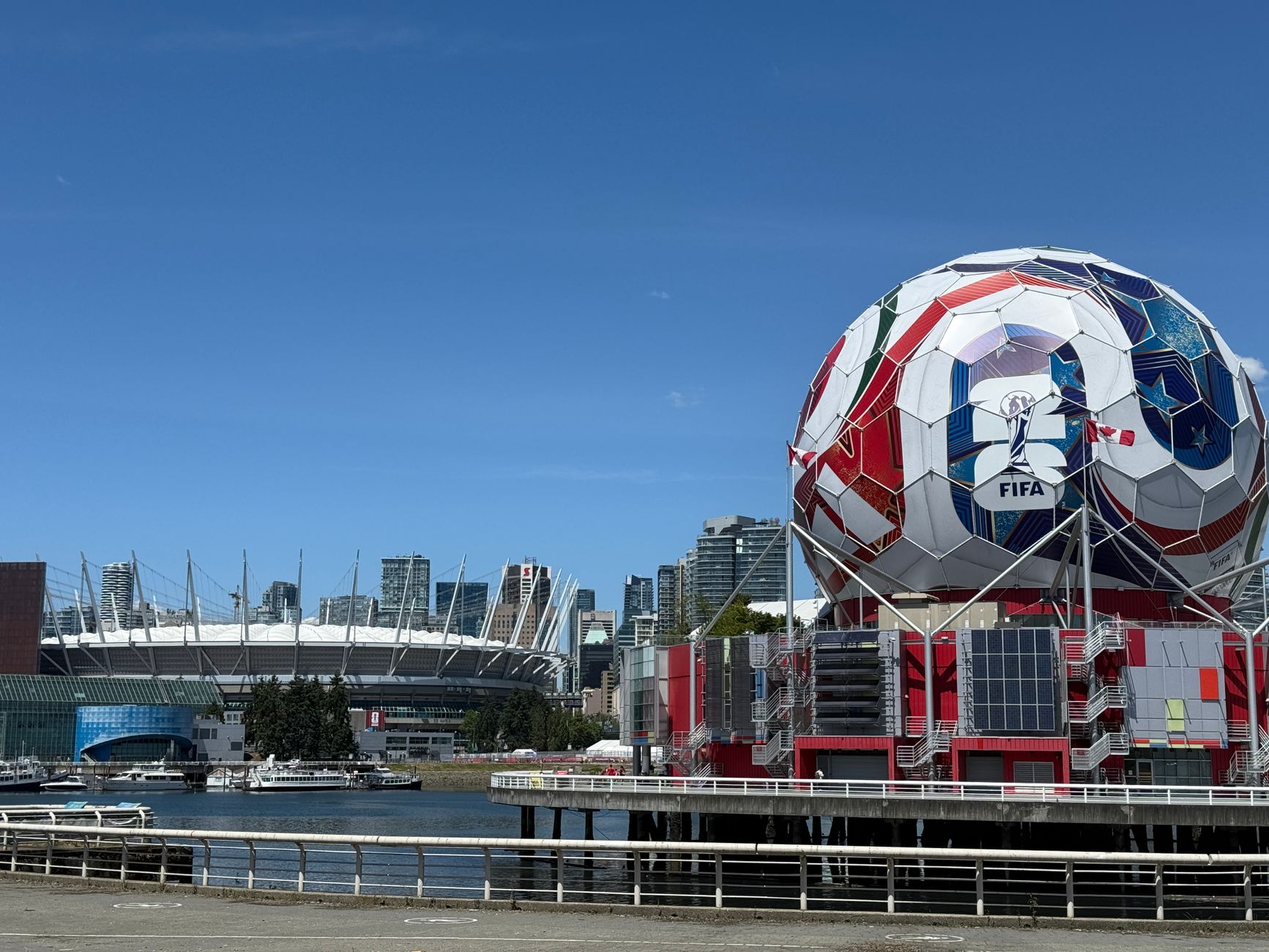
Photo by The Six on Pexels
The betting angle should remain responsible and evidence-led. Match Daily operates in the gambling industry, but the practical recommendation is not to chase every market created by 104 matches. Instead, I would separate markets into three tiers:
- Primary markets: match result, Asian handicap, totals, and both teams to score.
- Context markets: corners, cards, player shots, and team possession bands.
- High-variance markets: exact score, first goalscorer, penalty awarded, and late live-bet props.
What surprised me in early simulations was that the expanded format may create more false confidence, not less. More teams means more narratives, but not all narratives produce measurable betting value. For example, a debut nation with emotional momentum may still struggle against a team that controls rest defense and set pieces. Conversely, a heavily favored side may rotate earlier in the group phase if qualification math is favorable. The operational tip is simple: wait for confirmed lineups when squad depth is uncertain, but price travel and climate before the public conversation catches up.
Ready to compare predictions with a data-first World Cup lens?
Three predictions for next quarter
My first prediction is that host-city content will become more valuable than generic tournament previews. Kansas City, Dallas, Toronto, Vancouver, Mexico City, Los Angeles, and New York New Jersey will not deliver identical football conditions, and fans will begin searching for city-specific guides as ticketing, hotels, and match schedules become more urgent. The second prediction is that player workload dashboards will gain traction because clubs, national teams, and bettors will all care about late-season fatigue before June 2026. The third prediction is that betting markets will overreact to famous nations in early groups while underpricing disciplined mid-tier teams with stable coaching, set-piece strength, and low travel disruption.
These predictions come from observed evidence rather than hype. The Kansas City example shows how a host city can frame itself as part stadium, part festival, and part regional showcase. FIFA’s expanded format shows how match quantity creates more data but also more noise. Sports research shows that fatigue and recovery affect performance, while historical World Cup data shows that tournament football often rewards compact defenses and efficient transitions. Therefore, my working model for the next quarter is to track four weekly indicators: FIFA communications, host-city logistics, player minutes, and early market movement. Anyone serious about 2026 World Cup football should build that routine now, before mainstream coverage compresses every matchup into star names and national stereotypes.

Photo by RDNE Stock project on Pexels
The core takeaway is that FIFA World Cup 26 will reward prepared observers. Kansas City’s six-match role, the Fan Festival concept, the 48-team format, and the 104-match schedule all point to a tournament where football quality and operational context are tightly linked. Match Daily will continue covering match predictions, team tactics, player stats, and tournament movement with a responsible betting focus. My recommendation is to create a repeatable checklist for every match: venue, climate, travel, rest, lineup, tactical matchup, and market price. If one of those seven inputs changes, your opinion should change with it.
Keep your 2026 World Cup football preparation grounded in evidence, not noise.
Frequently Asked Questions
Q: What is 2026 World Cup football?
A: 2026 World Cup football refers to FIFA World Cup 26, the 48-team men’s tournament hosted by the United States, Canada, and Mexico. It features 104 matches across 16 host cities, making it the largest edition in World Cup history. For fans and bettors, the key change is that travel, recovery, climate, and squad depth become more important than in a compact single-country tournament.
Q: How to follow 2026 World Cup football more effectively?
A: Follow 2026 World Cup football by tracking fixtures, host cities, team news, player minutes, and tactical trends together. Start with FIFA’s official schedule, then add local host-city details such as Kansas City Fan Festival activity and stadium conditions. For betting analysis, compare market prices only after checking injuries, rest days, likely rotations, and travel distance.
Q: What is the difference between Qatar 2022 and World Cup 2026?
A: The biggest difference is scale: Qatar 2022 had 32 teams and 64 matches, while World Cup 2026 has 48 teams and 104 matches. Qatar was geographically compact, but 2026 spans the United States, Canada, and Mexico across multiple time zones. That makes logistics, climate, and recovery much more important for teams and analysts.
Q: Why do 2026 World Cup predictions sometimes fail?
A: 2026 World Cup predictions fail when they rely only on team reputation or star players. The expanded format increases uncertainty because more nations, more travel, and more rotation decisions enter the model. A stronger prediction should include venue conditions, recent player workload, tactical matchup, set-piece quality, and whether the betting market has already adjusted.
Q: How much does it cost to attend 2026 World Cup football?
A: The total cost depends on match location, ticket category, travel distance, hotel demand, and length of stay. Fans should budget beyond tickets because host cities such as Kansas City, Los Angeles, Toronto, and Mexico City may experience peak pricing around match days. A practical plan should include flights, local transport, accommodation, food, Fan Festival time, and emergency flexibility.
Q: Is Match Daily useful for 2026 World Cup betting?
A: Match Daily is useful if you want World Cup coverage that connects tactics, player stats, match predictions, and responsible betting context. The site focuses on evidence-based insights rather than hype-driven picks. Readers should still set limits, compare prices carefully, and treat every wager as risk capital rather than guaranteed return.
Thank you for reading.
Match Daily · Archive