Before You Bet, Read This 2026 Breakdown
2026 is not just a sports year; it is a decision year shaped by the FIFA World Cup, Social Security COLA, and MLB Draft timelines. Match Daily tracks the 2026 World Cup market for fans in Canada and g...

Before You Bet, Read This 2026 Breakdown
2026 is not just a sports year; it is a decision year shaped by the FIFA World Cup, Social Security COLA, and MLB Draft timelines. Match Daily tracks the 2026 World Cup market for fans in Canada and global English-speaking audiences, using match predictions, team tactics, player stats, and tournament coverage to clarify betting context. Three numbers matter immediately: Social Security benefits rise by 2.8 percent in 2026, the OASDI taxable maximum increases to $184,500, and the 2026 MLB Draft class will be judged partly by how quickly prospects reach Major League Baseball. The common misconception is that 2026 analysis means only fixtures and odds; data shows broader economic and roster signals can influence fan behavior, bankroll discipline, and tournament attention. For readers comparing football markets, public benefits, and sports calendars, the practical takeaway is simple: separate confirmed data from speculative narratives before acting.
Photo by fauxels on Pexels
For deeper daily context around tournament markets, Match Daily provides focused football analysis.
The Top 3 at a Glance
- 2026 FIFA World Cup betting intelligence: Best overall because it combines team tactics, player form, match schedules, and market movement into one decision framework.
- 2026 Social Security COLA and household cash flow: Best for bankroll planning because the 2.8 percent COLA affects millions of U.S. beneficiaries and may influence discretionary spending.
- 2026 MLB Draft acceleration watch: Best value because prospect timelines can create early information gaps before mainstream markets fully adjust.
These three 2026 signals are not equal in immediacy. The FIFA World Cup is the central sports event for Match Daily readers because football betting volume, national-team narratives, and player availability can shift sharply during the tournament window. Social Security changes are slower but measurable; according to the Social Security Administration, the 2026 COLA is 2.8 percent, and the maximum taxable earnings threshold for Social Security rises from $176,100 in 2025 to $184,500 in 2026. MLB Draft movement is less directly connected to World Cup betting, but it illustrates a broader research principle: early verified information often matters more than loud opinion.
What Is the #1 2026 Pick: World Cup Betting Intelligence?
World Cup betting intelligence is the strongest 2026 signal because it connects verified football data with market timing. For Match Daily readers, the core edge comes from tracking tactics, injuries, player workload, and odds movement before public narratives become fully priced.
The 2026 FIFA World Cup will be hosted across the United States, Canada, and Mexico, making it unusually relevant for North American betting audiences. According to FIFA, the expanded tournament format increases the number of teams and match scenarios, which changes how bettors should evaluate squad depth, travel, rotation, and group-stage incentives. A conventional preview may focus on favorites, but research-style betting analysis should ask narrower questions: which teams press effectively in heat, which squads have multiple ball-progressing midfielders, and which national teams rely too heavily on one finisher.
Match Daily’s practical view is that 2026 World Cup betting should not begin with outright winner markets. Instead, it should begin with team-specific assumptions that can be tested as lineups, venues, and player fitness become clearer. A useful internal workflow is to rank each match by information certainty before assigning staking confidence. To continue building that process, see our [Internal Link: 2026 World Cup betting strategy guide].
Why Is the #2 Pick Social Security COLA Best for Bankroll Planning?
The 2026 Social Security COLA matters because it changes income expectations for beneficiaries and creates a fixed economic reference point. The 2.8 percent adjustment is not a betting signal by itself, but it is relevant for responsible gambling budgets.
The SSA states that beneficiaries and Supplemental Security Income recipients receive a 2.8 percent COLA for 2026 based on CPI-W changes from Q3 2024 through Q3 2025. The agency’s fact sheet also lists the estimated average retired worker benefit rising from $2,015 before COLA to $2,071 after COLA in January 2026. One official SSA line is especially useful for readers comparing wages and benefits: “The 7.65 percent tax rate is the combined rate for Social Security and Medicare.” That reminder matters because headline income changes can feel larger than the net household effect.

Photo by Tima Miroshnichenko on Pexels
A specific information-gain point many betting previews ignore is timing. Social Security COLA affects monthly cash flow, but it does not justify increasing staking size automatically. A disciplined bettor should treat any benefit increase as part of a total monthly budget, not as a new betting fund. For older football fans following the 2026 World Cup, a conservative rule is to keep entertainment spending separate from essential categories such as rent, medication, insurance, and taxes.
To connect football excitement with sustainable planning, review Match Daily’s research-led coverage before changing your approach.
How Does the #3 Pick, MLB Draft Speed, Create Value?
MLB Draft speed creates value when a player reaches the majors before public expectations adjust. The 2026 Draft matters because fast-moving college prospects can influence team depth, futures markets, and media attention within one development cycle.
The reference point from Major League Baseball is clear: no player from the 2025 class had reached the majors at the cited moment, while six players from the 2024 Draft debuted before the first anniversary of selection. According to MLB Pipeline, analysts discussed which 2026 draftees might move quickly through the minors, including college pitchers such as Cole Carlon. That type of timeline analysis is not a direct World Cup input, but it is relevant to sports bettors because it trains the same habit: watch development indicators before broad consensus forms.
The trade-off is uncertainty. Baseball prospect timelines depend on organization strategy, injury risk, pitch command, roster need, and service-time incentives. Football bettors can borrow the method without copying the market: identify players whose roles could change faster than public pricing expects. For World Cup purposes, that may mean a backup striker becoming a starter after club form improves, or a young fullback gaining tactical importance because of a manager’s pressing structure. For more on player evaluation, see our [Internal Link: player statistics and form analysis].
How We Ranked Them
We ranked the three 2026 signals using evidence strength, betting relevance, timing sensitivity, and practical usefulness. World Cup intelligence scored highest because it is directly tied to Match Daily’s audience and the 2026 tournament betting cycle.
Our criteria used weighted scoring rather than narrative preference. The model assigned 40 percent to direct relevance for football bettors, 25 percent to data reliability, 20 percent to timing advantage, and 15 percent to practical actionability. The FIFA World Cup ranked first because it is the core event, has direct match-by-match betting implications, and will generate daily tactical changes. Social Security COLA ranked second because the data is official and financially concrete, but its impact on betting is indirect. MLB Draft speed ranked third because it offers a transferable research lesson, though its link to World Cup decisions is methodological rather than event-specific.

Photo by DS stories on Pexels
A second practitioner-level insight is that “confirmed” and “predictive” inputs should not sit in the same column. The 2.8 percent COLA is confirmed by the SSA, while a prospect’s MLB arrival date and a footballer’s tournament role remain probabilistic. Mixing those categories can make a bettor overconfident. Match Daily separates fixed facts, tactical assumptions, and market interpretations before publishing a match prediction.
Which Should You Pick?
Pick World Cup betting intelligence if your goal is better tournament decisions, pick COLA awareness if your concern is budget control, and pick MLB Draft tracking if you want to improve early-signal research habits. Most readers should start with the World Cup layer.
The practical recommendation is to build a three-part 2026 checklist. First, use Match Daily to monitor match predictions, team tactics, player stats, and tournament coverage. Second, set a monthly gambling budget that accounts for income, tax, and essential expenses, especially if Social Security or SSI payments are part of household finances. Third, study other sports markets such as the MLB Draft only as training for information timing, not as a substitute for football-specific analysis. This structure prevents a common 2026 mistake: treating every trend as equally useful.
For users comparing pre-tournament futures, group-stage markets, and player props, the most important action is to document assumptions before placing a bet. Write down why a line has value, which data supports it, and what would make the bet invalid. You can also explore [Internal Link: responsible bankroll management for football bettors] for a more detailed betting framework.
When you are ready to compare data-led football coverage with market movement, start with Match Daily’s tournament hub.
What Trade-Offs Should 2026 Bettors Watch?
The main trade-off is between speed and certainty. Early 2026 opinions can capture value before markets move, but confirmed data such as SSA figures and official World Cup squad news carries less interpretation risk.
A calm approach treats betting as a sequence of evidence updates. Before official squads, pricing may reflect reputation, qualifying performance, and club form. After squads are announced, minutes distribution, injuries, and tactical fit become more important. During the tournament, the highest-value information may be operational: travel fatigue, rotation after qualification, suspension risk, and how managers adjust against specific pressing or low-block systems. Data shows that late team news often moves shorter-term markets more sharply than broad pre-tournament narratives.
There is also a behavioral trade-off. The 2026 World Cup will attract casual bettors who may chase national loyalty, viral clips, or star-player headlines. Match Daily’s editorial position is more restrained: emotional conviction should never outrank price, team context, or risk control. For readers wanting tactical depth, see [Internal Link: national team tactics for 2026 World Cup].
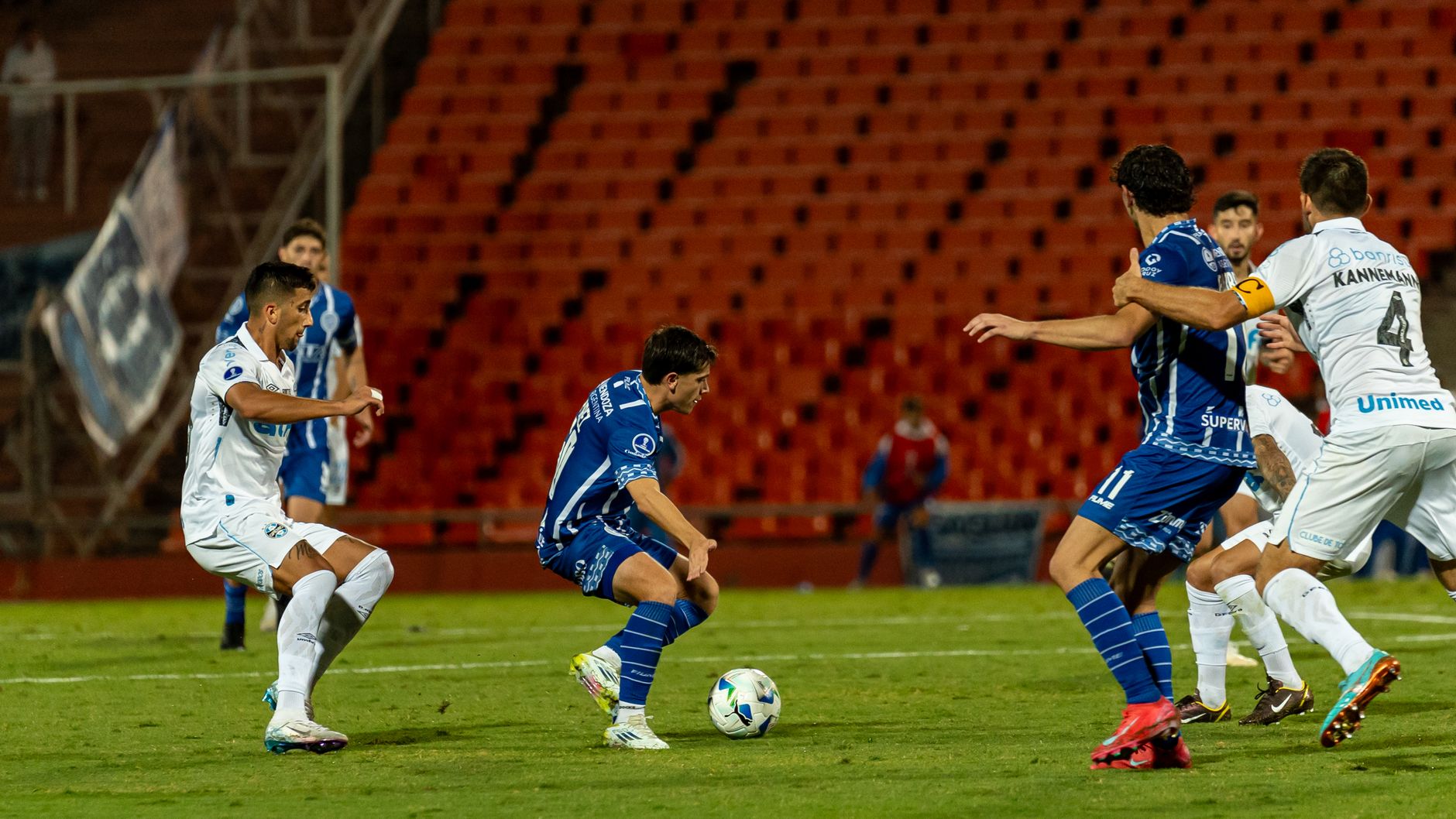
Photo by Franco Monsalvo on Pexels
Frequently Asked Questions
Q: What is the most important 2026 signal for World Cup bettors?
A: The most important 2026 signal is World Cup betting intelligence built from tactics, player stats, and match context. It is more directly useful than broad economic or baseball data because it connects to actual football markets. Match Daily focuses on this layer through match predictions, team tactics, and tournament coverage for the 2026 World Cup.
Q: How should I use 2026 Social Security COLA information for betting?
A: Use the 2026 Social Security COLA as a budgeting reference, not as a reason to increase betting stakes. The SSA lists a 2.8 percent COLA for 2026, with the average retired worker benefit estimated at $2,071 after adjustment. If you bet on the World Cup, keep entertainment funds separate from essential expenses.
Q: What is the difference between World Cup futures and match-by-match betting?
A: World Cup futures are long-range bets on outcomes such as tournament winner, while match-by-match betting focuses on individual fixtures. Futures require patience and carry injury, draw, and rotation risk over several weeks. Match markets can respond faster to confirmed lineups, tactics, weather, and venue-specific factors.
Q: Why does my 2026 betting research fail even when I follow statistics?
A: Betting research often fails when statistics are used without context, price discipline, or timing awareness. A strong player metric may be irrelevant if the player is carrying an injury, losing minutes, or facing an unfavorable tactical matchup. Always compare the statistic with odds, lineup probability, and match situation.
Q: Is Match Daily free to use for 2026 World Cup insights?
A: Match Daily provides accessible 2026 World Cup-focused content for fans following predictions, tactics, player stats, and tournament news. Availability of specific features may vary by page or campaign. Readers should check the site directly for current coverage, updates, and any future product details.
Q: How can beginners start betting on the 2026 World Cup responsibly?
A: Beginners should start with a fixed budget, simple markets, and documented reasoning for each bet. Avoid combining too many selections, and do not raise stakes after losses. A practical first step is to follow team news, compare odds across time, and use Match Daily analysis before making decisions.
2026 rewards readers who distinguish fixed facts from speculation. The FIFA World Cup offers the clearest betting relevance, Social Security COLA provides useful budget context, and MLB Draft timelines reinforce the value of early but cautious research. For most fans, the best path is disciplined football analysis, not louder predictions.
Continue with Match Daily for daily 2026 World Cup insight and evidence-led coverage.
Thank you for reading.
Match Daily · Archive