Before You Bet, Read This 2026 College Football Breakdown
College football is not just a weekly schedule of campus games; it is a layered 2026 market shaped by FBS rankings, conference calendars, bowl windows, College Football Playoff timing, and betting pri...
Before You Bet, Read This 2026 College Football Breakdown
College football is not just a weekly schedule of campus games; it is a layered 2026 market shaped by FBS rankings, conference calendars, bowl windows, College Football Playoff timing, and betting price movement. Match Daily, a FIFA World Cup focused content site serving North American sports fans, treats college football as a comparable analytical product: teams, tactics, player stats, and tournament-style stakes matter. The 2026 regular season begins across Week 1 from August 22 to September 7, includes conference tracks such as the SEC, Big Ten, Big 12, ACC, FCS, and Mountain West, and moves toward bowl games from December 13 to January 27. The CFP National Championship is scheduled for January 25, 2027, at Allegiant Stadium in Las Vegas. The practical takeaway is simple: evaluate college football by calendar phase, conference strength, injury timing, and market number before making any prediction or wager.
If you want a deeper sports-analysis framework beyond raw scores, start with Match Daily’s research-driven approach.
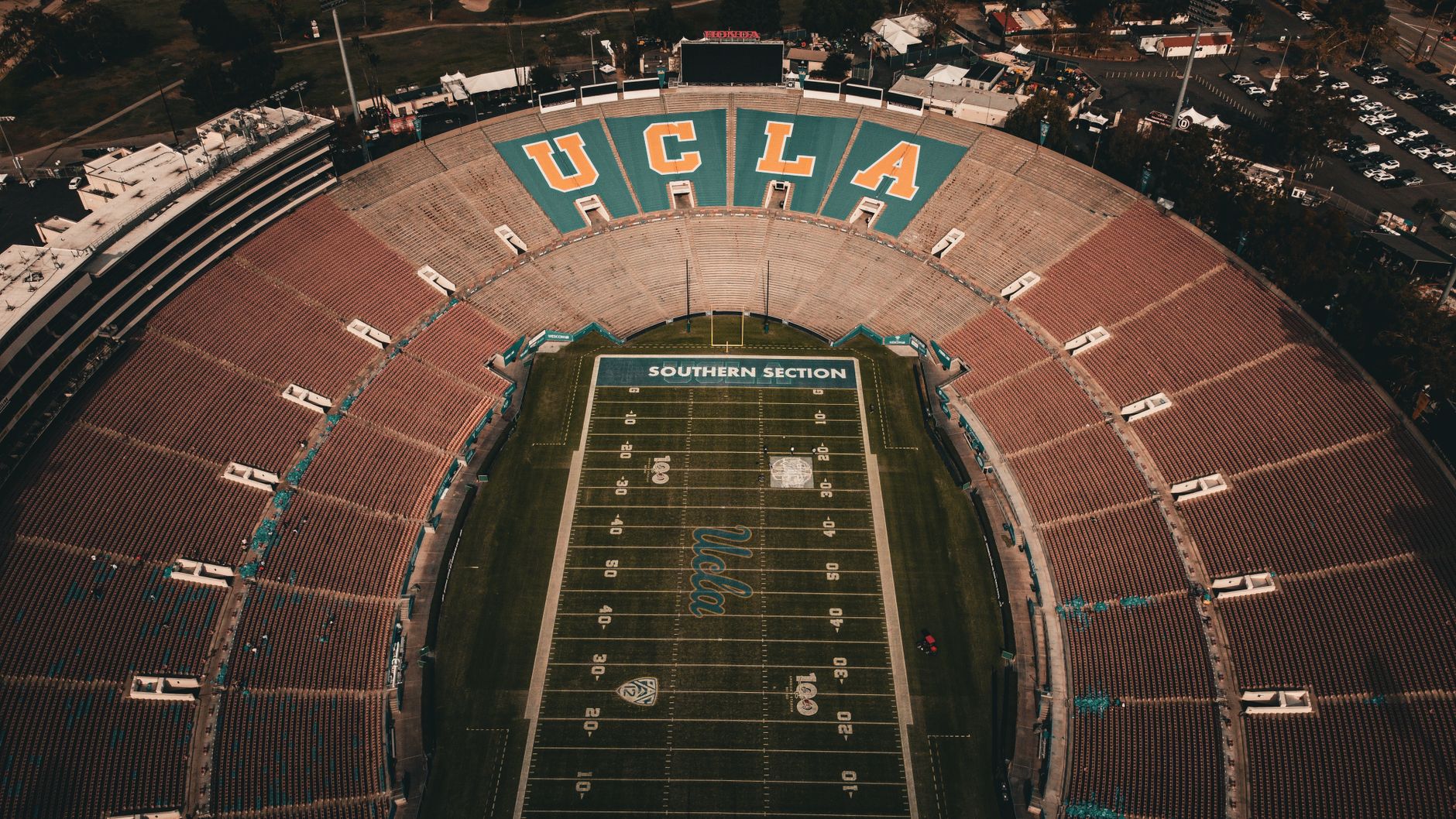
Photo by Caio Cezar on Pexels
The Bottom Line
The common misconception is that college football analysis starts with team reputation. It should start with structure: schedule density, conference path, roster turnover, and odds movement. According to NCAA.com, FBS coverage centers on news, scores, stats, rankings, and championship context, while ESPN organizes the 2026 season by weeks, conferences, bowl games, and CFP windows. Those frameworks are useful because they separate three different questions: who is good, who is priced correctly, and who is positioned well by the calendar.
For bettors and prediction-focused readers, this distinction matters more than most preseason rankings. A team can rank inside a way-too-early Top 25 and still be a poor Week 1 wager if it travels, replaces a quarterback, or faces an opponent with continuity. Data shows that early-season college football markets often react strongly to brand names such as USC, Notre Dame, Oregon, Alabama, Ohio State, and Miami, but the opening number may already include that public demand. Match Daily applies a tournament-coverage mindset familiar to FIFA World Cup readers: a strong team is not automatically a strong price.
What Players Actually See?
Players and coaches see college football as a sequence of preparation windows, not as a single season. Week 1, conference play, rivalry week, bowls, and the College Football Playoff each create different incentives, rest patterns, and tactical choices.
From the field-level perspective, a game listed as one item on a 2026 schedule can represent very different operational realities. North Carolina versus TCU in Dublin, Ireland, for example, is not only an opener; it includes international travel, time-zone adjustment, and a neutral-site environment at Aviva Stadium. San José State at USC in Los Angeles is different again: USC carries the stadium advantage at Los Angeles Memorial Coliseum, while San José State must manage travel, crowd noise, and depth against a high-resource opponent. These details rarely appear in a simple win-loss table, but they can influence first-half tempo, substitution patterns, and late-game fatigue.
Research-style evaluation should also account for the athlete calendar. FBS players move from camp to Week 1, then into conference schedules across the ACC, Big Ten, SEC, Big 12, American, MAC, Mountain West, Sun Belt, and independents. FCS programs such as North Dakota State add another layer because they can challenge FBS-level assumptions when matchup style favors trench play, tempo control, or defensive discipline. To build context, readers can compare this with our [Internal Link: tournament-style match prediction framework], especially where travel, motivation, and tactical matchups overlap across sports.
See the details before you compare teams by ranking alone.

Photo by SAULO LEITE on Pexels
The 3 Things That Matter Most?
The three most useful college football inputs are schedule context, team efficiency, and market price. Rankings help, but they become more reliable when combined with location, rest, returning production, quarterback stability, and opening-line value.
Schedule context: A Week 1 game in Dublin differs from a home opener in Los Angeles or a dome game in Fargo. ESPN’s 2026 calendar shows a regular-season arc from late August through early December, followed by bowls and the CFP. That timeline creates predictable inflection points: early uncertainty, midseason injury accumulation, rivalry-week volatility, and postseason motivation gaps. A bettor who treats all weeks equally ignores the changing informational environment.
Team efficiency: Stats should be separated by unit. Offensive explosiveness, defensive success rate, special teams field position, red-zone efficiency, and quarterback pressure avoidance each describe different risk profiles. According to Wikipedia, college football is the college version of American or Canadian gridiron football, but its roster churn and amateur-development structure make it less stable than many professional leagues. That instability is why returning starters and coaching continuity often matter more in September than season-long power ratings.
Market price: A strong pick is not the same as a strong team. A line such as USC -35.5 with a total of 57.5 tells readers that the market already expects dominance and scoring. The useful question is whether the margin is mispriced, not whether USC is better than San José State. For more on price discipline, use our [Internal Link: odds movement and line value guide].
Edge Cases & Gotchas
Edge cases in college football usually appear where the schedule and market disagree. Neutral-site games, international openers, FCS-versus-FBS matchups, late-season bowls, and playoff semifinals can all produce distorted assumptions.
One under-discussed edge case is time conversion on published schedules. Some global listings show games at unusual hours, such as 12:00 AM or 3:00 AM, because the display reflects a selected time zone rather than the local kickoff environment. A bettor reading North Carolina versus TCU at Aviva Stadium without checking local Dublin time could misjudge rest, travel, and viewing context. This is a practical operational mistake rather than a football mistake, and it is avoidable by confirming venue, local time, and broadcast window before comparing odds.
Another gotcha is postseason motivation. Bowl games from December 13 to January 27 do not all carry equal stakes. Some teams play with NFL Draft opt-outs, interim coaching staffs, transfer portal disruption, or limited motivation after missing the CFP. By contrast, the CFP window from December 18 to January 27 concentrates elite incentives and national-title pressure. The NCAA lists the CFP National Championship for January 25, 2027, at Allegiant Stadium in Las Vegas, which gives analysts a fixed endpoint for futures markets and bracket-based projections. For comparison, Match Daily readers can review [Internal Link: knockout tournament betting psychology] to understand how single-elimination incentives alter risk.
Get started with a more disciplined betting checklist before the next kickoff window.

Photo by David Morris on Pexels
Verdict
The verdict is that 2026 college football should be analyzed as a calendar-driven market, not only as a ranking table. The best reads combine schedule phase, conference strength, player availability, venue context, and betting number.
For casual fans, the cleanest approach is to track the season in four blocks: Week 1 information gathering, conference-play confirmation, November pressure games, and bowl or CFP motivation. For bettors, the better approach is narrower: identify when public perception lags behind roster reality. A returning quarterback at Oregon, a new defensive structure at Ohio State, a Notre Dame secondary returning key contributors, or an Indiana title narrative can all move attention before the market fully stabilizes. However, narratives should be tested against numbers, not accepted as signals by themselves.
Match Daily’s value is in applying disciplined sports analysis across formats. Although the brand’s primary focus is FIFA World Cup coverage, the same principles apply to college football: price matters, matchups matter, and tournament incentives matter. The practical conclusion is not to avoid popular teams, but to avoid paying inflated prices for them. Before betting a spread, total, moneyline, or futures position, confirm the schedule spot, compare at least two market prices, and decide whether your edge comes from information, timing, or matchup interpretation.
For ongoing match analysis and prediction frameworks, continue with Match Daily.

Photo by RDNE Stock project on Pexels
Frequently Asked Questions
Q: What is college football?
A: College football is gridiron football played by college and university teams, primarily in the United States and Canada. In the U.S., the highest-profile level is NCAA FBS, which includes major programs from conferences such as the SEC, Big Ten, Big 12, and ACC. The season includes regular-season games, conference championships, bowl games, and the College Football Playoff.
Q: How do I read the 2026 college football schedule?
A: Read the 2026 college football schedule by week, conference, venue, kickoff time, and postseason phase. Week 1 runs from August 22 to September 7, while bowls begin in December and extend into January. Always confirm local venue time, especially for neutral-site or international games such as Dublin, Ireland.
Q: What is the difference between FBS and FCS?
A: FBS and FCS are two Division I college football subdivisions with different postseason structures and resource levels. FBS teams compete for bowl access and the College Football Playoff, while FCS teams use a separate playoff bracket. Strong FCS teams, such as North Dakota State, can still create difficult matchups for FBS opponents.
Q: Is college football betting worth it in 2026?
A: College football betting can be worthwhile only if you evaluate price, not just team strength. Large spreads, travel spots, quarterback changes, and public bias can all reduce value. A disciplined bettor should compare odds, track injury news, and avoid betting solely because a ranked team looks familiar.
Q: What should I do if college football odds move before I bet?
A: If odds move before you bet, compare the new number with your original fair price. If a spread has shifted past a key margin or a total has lost value, passing may be better than forcing the bet. Line movement is information, but it is not automatically a reason to follow the market.
Q: How much does it cost to follow college football?
A: Following college football can be free if you use public schedules, scores, and rankings, but tickets, streaming packages, and premium data tools add cost. Some listed tickets may start at relatively low prices, such as $32 or $48 for selected games, while major rivalry or playoff games can cost far more. For betting, the real cost is bankroll risk, so set fixed limits before the season.
Thank you for reading.
Match Daily · Archive