The 2026 Fan's Guide to World Cup Football
World cup football is not just a month of national pride; it is FIFA’s global men’s tournament, held every four years, with the 2026 edition hosted across the United States, Canada, and Mexico and exp...
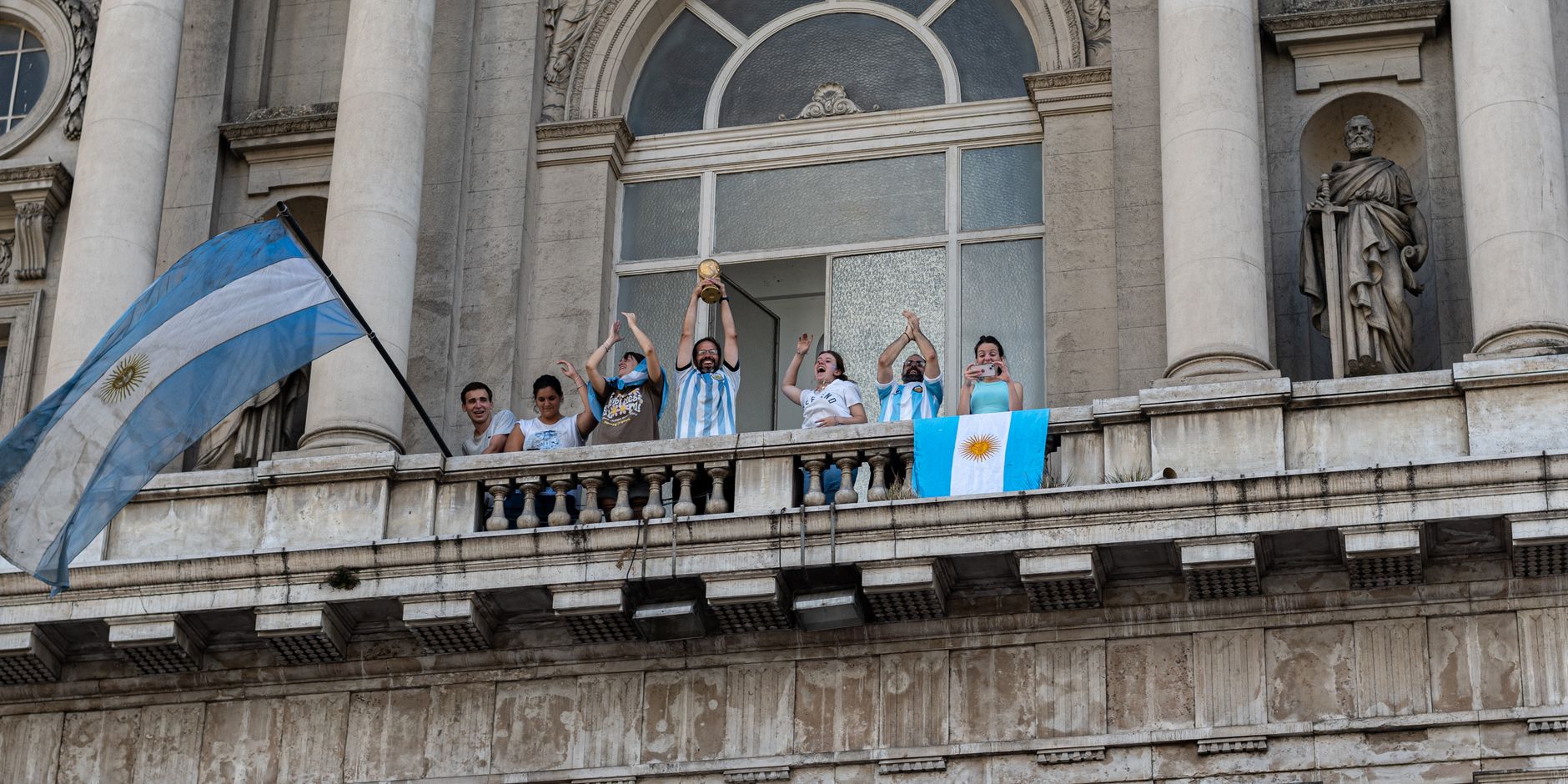
The 2026 Fan's Guide to World Cup Football
World cup football is not just a month of national pride; it is FIFA’s global men’s tournament, held every four years, with the 2026 edition hosted across the United States, Canada, and Mexico and expanded to 48 teams. Match Daily covers this event for fans who want evidence-led predictions, team tactics, player statistics, and tournament coverage in a market where football analysis and regulated gambling content increasingly overlap. FIFA traces the competition to 1930, while the 2026 World Cup introduces 104 matches, 16 host cities, and a larger knockout pathway than the 32-team era used from 1998 to 2022. For readers, the practical takeaway is simple: follow team context, scheduling, travel demands, and tactical matchups before trusting reputation or odds alone.
Many fans assume world cup football is easy to read because the best national teams usually win. Data shows the opposite: short tournaments punish slow starters, injuries distort squad plans, and one red card can erase years of preparation. According to FIFA, the 2026 FIFA World Cup will be the first men’s edition with 48 teams, a major change from the 32-team structure familiar from France 1998 through Qatar 2022. That expansion creates more opportunity, but it also creates more noise for analysts, bettors, and casual fans trying to separate genuine contenders from teams boosted by a favorable draw.
For Match Daily readers, the smartest approach is to treat the World Cup as a compressed decision environment rather than a simple ranking contest. A club season gives analysts 38 league matches in the Premier League, La Liga, or Serie A; the FIFA World Cup often asks a team to reveal its level in three group matches, then survive one-off knockout games. That is why travel distance, squad rotation, penalty history, climate, and tactical flexibility matter as much as famous names. If you want a sharper lens for 2026, start with structure before you move to predictions.
Photo by Fabrizio Velez on Pexels
Want a clearer way to follow every storyline as the tournament builds?
Is World Cup Football Really Predictable?
World cup football is only partly predictable because elite teams have structural advantages, but knockout variance is enormous. Since 1930, only a small group of nations, including Brazil, Germany, Italy, Argentina, France, Uruguay, England, and Spain, have won the men’s FIFA World Cup, yet favorites often fail before the final.
The reason predictability breaks down is sample size. A national team may arrive with UEFA Champions League winners, Copa América stars, or Premier League scorers, but it still has limited competitive time together. Unlike Manchester City, Real Madrid, or Bayern Munich, national sides cannot train complex pressing triggers every week for nine months. Research-style match modeling often finds that team quality matters most over long seasons, while finishing variance and set-piece conversion carry more weight in short tournaments. That is why Germany could dominate possession in some World Cup exits yet still lose when transition defending failed.
A practical prediction framework should weigh four factors before public reputation. First, examine chance creation through expected goals, not just scorelines. Second, review defensive rest structure: how many players remain behind the ball after an attack breaks down. Third, measure set-piece strength, because corners and free kicks are disproportionately valuable in low-scoring knockout matches. Fourth, factor in goalkeeper penalty performance and substitution depth. To go deeper on tactical indicators, see our [Internal Link: World Cup team tactics guide].
How Does World Cup Football Handle the 2026 Expansion?
The 2026 World Cup handles expansion by moving from 32 to 48 national teams and increasing the tournament to 104 matches. FIFA confirmed that the event will be hosted by the United States, Canada, and Mexico, making it the first men’s World Cup staged across three countries.
This expansion changes the tournament’s rhythm. More nations from confederations such as UEFA, CONMEBOL, CONCACAF, CAF, AFC, and OFC will be represented, which means more playing styles and more unfamiliar matchups for analysts. According to Wikipedia’s FIFA World Cup overview, the competition began in 1930 and has evolved through multiple format changes, but the 2026 jump is one of the most significant in its history. FIFA’s own tournament material states that the expanded format is designed to create “more opportunities for more nations,” a phrase that captures both the sporting promise and the forecasting challenge.
For betting-minded readers, the key insight is that expansion does not automatically mean weaker betting markets; it means less reliable public information in early matches. A data edge may exist where a lesser-known AFC or CAF qualifier faces a famous UEFA side and the odds overreact to brand recognition. However, that edge disappears if you ignore travel. A team playing in Mexico City, then Vancouver, then Miami faces a radically different logistical burden than a team staying within one regional cluster. Match Daily will track these location-based edges throughout 2026.

Photo by UMA media on Pexels
If you want daily context on teams, venues, and tournament shifts, start here.
Key Format Effects Fans Should Track
The expanded 2026 structure affects more than the number of games. It changes preparation, squad usage, broadcasting schedules, betting liquidity, and injury management. A 48-team tournament gives underdogs more access, but it also forces top teams to manage minutes carefully before the knockout rounds. For example, a favorite such as France, Argentina, Brazil, England, Spain, or Germany may rotate heavily once qualification is secure, creating misleading group-stage results for anyone using final scores without lineup context.
Watch these practical signals throughout the tournament:
- Squad rotation after match two, especially among teams already near qualification.
- Travel distance between host cities, particularly across time zones.
- Heat, altitude, and humidity in venues such as Mexico City, Miami, and Dallas.
- Set-piece volume against compact defensive blocks.
- Refereeing tendencies and VAR intervention frequency.
- Market movement after confirmed starting lineups.
These details are not decorative; they shape outcomes. A team with high pressing intensity may suffer more in heat, while a possession-heavy team may benefit against an opponent forced to travel across North America on short rest. For more preparation tools, explore our [Internal Link: 2026 World Cup betting checklist].
What About Underdogs and New Qualifiers?
Underdogs in world cup football can succeed when they defend compactly, counterattack efficiently, and exploit set pieces. The 2026 expansion gives more emerging teams access, but survival still depends on tactical clarity, goalkeeper performance, and avoiding early deficits against elite opponents.
One overlooked edge is that underdogs are often easier to analyze tactically than favorites. A smaller nation may use a stable back five, a defined pressing trap, and two direct runners every match because its player pool demands simplicity. Favorites, by contrast, may change systems depending on opponent, player fitness, or media pressure. According to research in tournament analysis, compact defensive spacing and transition speed are repeatable underdog strengths because they require discipline more than star quality. Morocco’s 2022 run, Croatia’s repeated knockout resilience, and Costa Rica’s 2014 performance remain useful reminders that collective structure can outperform market assumptions.
From a gambling-industry perspective, the danger is emotional pricing. Public bettors often chase recognizable badges, Ballon d’Or nominees, or Premier League names. Professional analysis asks a colder question: what must happen for the underdog to cover a spread, keep a match level at halftime, or force extra time? That question leads to better markets, including Asian handicap, draw-no-bet, cards, corners, and team totals. Match Daily’s 2026 coverage will emphasize those secondary markets because they often reflect match script more accurately than the full-time winner.
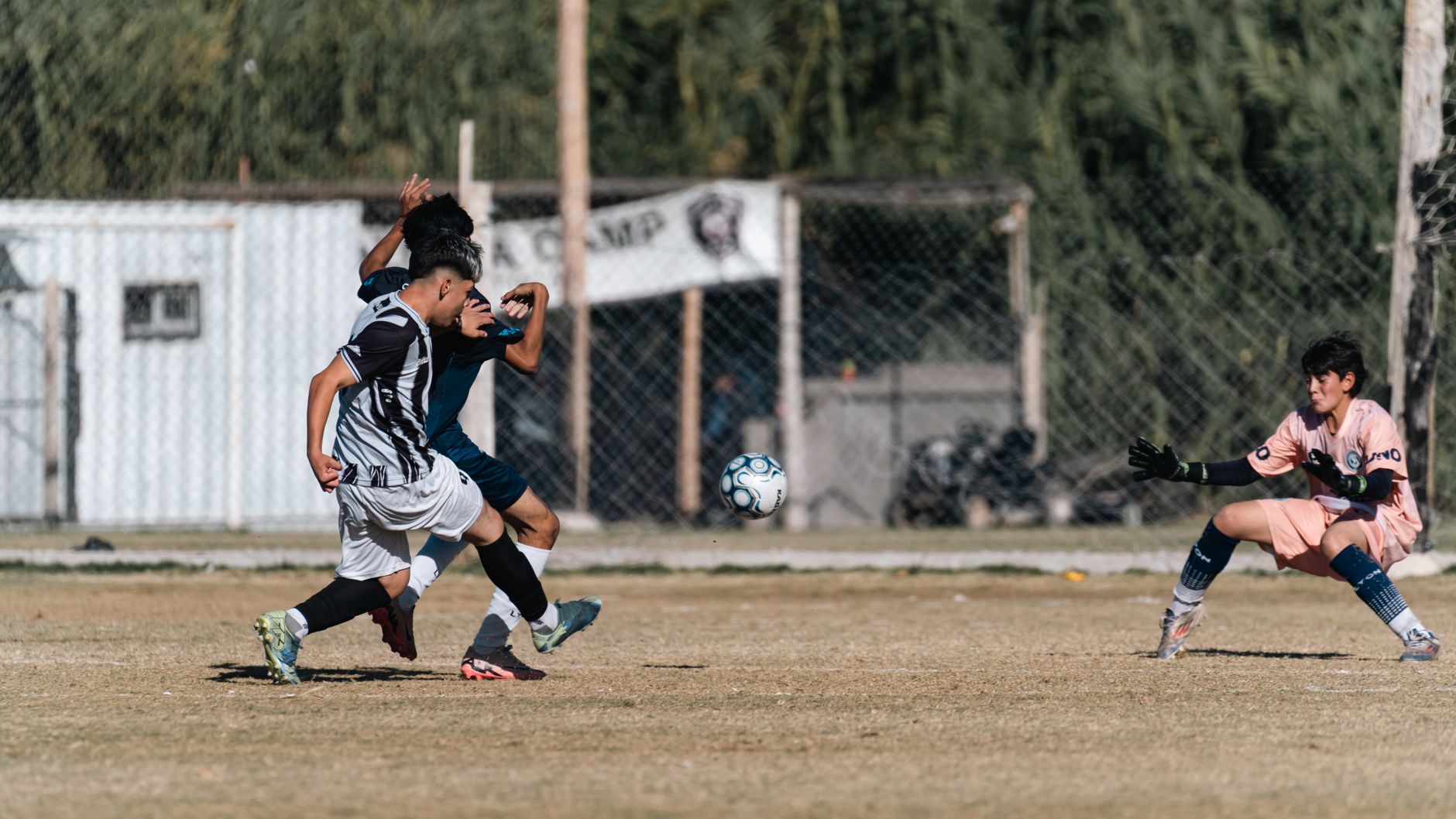
Photo by Franco Monsalvo on Pexels
For match-by-match tactical reads before odds move, follow the analysis hub.
Where Does World Cup Football Fail?
World cup football fails when the spectacle hides structural weaknesses: uneven rest, long travel, inconsistent refereeing interpretations, and misleading narratives. The FIFA World Cup is the sport’s biggest event, but its short format can reward variance as much as sustained excellence.
The first failure is calendar compression. Players arrive after exhausting club seasons in the Premier League, Bundesliga, Serie A, Ligue 1, Major League Soccer, and other competitions. Even elite medical departments cannot fully erase accumulated fatigue, especially for footballers who played UEFA Champions League knockouts, domestic cups, and international qualifiers. A second failure is information imbalance. Some teams publish detailed injury reports; others reveal almost nothing until lineups appear. That creates volatility for fans and bettors, particularly in regulated markets where odds shift sharply after team news.
The third failure is narrative bias. Television coverage naturally focuses on Lionel Messi, Kylian Mbappé, Cristiano Ronaldo, Neymar, Harry Kane, Jude Bellingham, and other major names, but knockout matches are often decided by less glamorous details. A holding midfielder’s positioning, a fullback’s recovery speed, or a goalkeeper’s cross claiming can decide a quarterfinal. The International Football Association Board, which maintains the Laws of the Game, notes that football is governed by standardized laws through The IFAB, yet interpretation still varies in match tempo, advantage, dissent, and physical contact.
The Analyst’s Reality Check
If you are using world cup football coverage for predictions, do not confuse information volume with information quality. A viral clip from a training session may be less useful than a substitution pattern from the final qualifier. A team’s FIFA ranking may be less predictive than its ability to defend cutbacks from the left half-space. Even head-to-head records can mislead because national squads change dramatically across four-year cycles. For readers who want sharper statistical context, our [Internal Link: player stats and expected goals explainer] is a useful next step.
A more reliable workflow looks like this:
- Start with squad availability and likely formation.
- Add venue, rest days, climate, and travel burden.
- Compare chance creation and chance prevention, not just goals.
- Identify set-piece mismatches and goalkeeper tendencies.
- Check market movement only after building your own view.
This order matters because betting odds are information, not instruction. If you begin with the market, you may anchor your judgment to public sentiment. If you begin with football reasoning, the market becomes a comparison tool.
Should You Try World Cup Football Analysis Today?
Yes, you should start world cup football analysis today if you want to understand 2026 before public narratives harden. Early preparation helps fans identify tactical trends, underrated squads, travel disadvantages, and market overreactions before the opening match arrives.
The best time to build a World Cup framework is before the draw dominates discussion. Once groups are announced, media narratives move quickly: one team becomes a “dark horse,” another becomes “overrated,” and odds adjust before many fans have checked underlying data. Match Daily recommends building watchlists around confederation qualifiers, injury histories, manager tendencies, and player workload. For example, a star who plays 4,500 club minutes before June 2026 may be more fragile than a less famous player arriving with fresher legs and a clearer role.
This is where research-style preparation beats casual prediction. Data shows that tournament surprises often make sense after the fact because warning signs existed beforehand: weak rest defense, poor set-piece marking, an aging midfield, or reliance on unsustainable finishing. The actionable strategy is to create a simple pre-tournament scorecard with five categories: squad health, tactical stability, chance quality, defensive transitions, and schedule difficulty. Then update it after every match rather than rewriting your opinion based on one result.

Photo by Omar Ramadan on Pexels
Ready to turn World Cup interest into sharper daily insight?
Practical Takeaways for 2026 Fans
World cup football rewards curiosity, but it punishes lazy certainty. Brazil may have attacking depth, France may have elite transition power, Argentina may carry tournament experience, England may bring Premier League intensity, and Spain may control possession, but no contender is immune to injuries, travel, pressure, or tactical mismatch. The 2026 FIFA World Cup will be bigger than any previous men’s edition, and that scale makes disciplined analysis more valuable.
Use this concise checklist as the tournament approaches:
- Track confirmed squads rather than rumored lineups.
- Separate team reputation from current form.
- Monitor venue conditions across the United States, Canada, and Mexico.
- Compare betting markets only after forming a football opinion.
- Give extra weight to set pieces, substitutions, and goalkeeper form.
- Reassess teams after each match, not after each headline.
Match Daily exists for fans who want more than slogans. If you follow evidence, context, and tactical detail, the 2026 World Cup becomes easier to enjoy and harder to misread.
For complete tournament coverage, predictions, and team-by-team breakdowns, continue with Match Daily.
Frequently Asked Questions
Q: What is world cup football?
A: World cup football usually refers to the FIFA World Cup, the international men’s national-team tournament organized by FIFA every four years. The first edition was held in 1930, and the 2026 tournament will be hosted by the United States, Canada, and Mexico. It is the most watched football competition because it combines national identity, elite players, and high-stakes knockout matches.
Q: How do I start analyzing World Cup matches?
A: Start by reviewing squads, formations, injuries, venue conditions, and recent competitive performances. Then compare expected goals, defensive structure, set pieces, and substitution patterns before looking at odds. Match Daily recommends building your own match view first, because market prices can reflect public emotion as much as football evidence.
Q: What is the difference between the FIFA World Cup and club football?
A: The FIFA World Cup is contested by national teams, while club football is played by teams such as Real Madrid, Manchester City, and Bayern Munich. National teams have less training time together, so tactics are often simpler and tournament variance is higher. Club football provides larger data samples, while the World Cup magnifies pressure and one-match outcomes.
Q: Is World Cup betting worth it?
A: World Cup betting can be worthwhile only if you use disciplined research and manage risk carefully. The 2026 tournament will have 104 matches, creating many markets, but more matches also mean more noise and public overreaction. Focus on regulated operators, responsible staking, and evidence-based angles such as travel, team news, and tactical matchups.
Q: Why do favorites fail in world cup football?
A: Favorites fail because short tournaments amplify red cards, injuries, finishing variance, penalties, and tactical mismatches. A superior squad may dominate possession but lose to a compact defense, a set piece, or a goalkeeper’s outstanding performance. That is why analysts should study match scripts rather than relying only on FIFA rankings or star names.
Q: What are the requirements for a country to qualify for the World Cup?
A: A country must compete through its regional confederation qualification process to reach the FIFA World Cup. The main confederations include UEFA, CONMEBOL, CONCACAF, CAF, AFC, and OFC, each with its own qualifying structure and allocated places. For 2026, the expanded 48-team format gives more nations a pathway than the previous 32-team era.
Thank you for reading.
Match Daily · Archive