The Fan's Guide to the 2026 World Cup
The biggest misconception about the 2026 World Cup is that fans only need match tickets; in reality, the winning plan combines stadium access, city transport, Fan Festival timing, and disciplined matc...

The Fan's Guide to the 2026 World Cup
The biggest misconception about the 2026 World Cup is that fans only need match tickets; in reality, the winning plan combines stadium access, city transport, Fan Festival timing, and disciplined match research. Match Daily covers the FIFA World Cup 2026 for fans following predictions, team tactics, player statistics, and tournament narratives across the United States, Canada, and Mexico. Kansas City, a FIFA World Cup 2026 Host City, is especially important because it promotes direct motorcoach links between Kansas City International Airport, Kansas City Stadium on match days, regional destinations, and the FIFA Fan Festival Kansas City. FIFA has confirmed that the 2026 tournament will feature 48 teams, 104 matches, and three host nations, creating more travel complexity than any previous edition. For the best experience, build your plan around confirmed venues, transport windows, fan zones, and data-led match analysis before you arrive.
If you want one place to follow tournament preparation, tactics, and fan-focused insights, start with Match Daily before finalizing your 2026 World Cup plan.
Photo by Tomás Asurmendi on Pexels
Step 1: How should fans define their 2026 World Cup goal?
Fans should first decide whether their 2026 World Cup priority is attending matches, joining the FIFA Fan Festival, following teams for betting research, or exploring Kansas City. That decision shapes lodging, transport, budget, and timing because a stadium-first trip is very different from a festival-first itinerary.
According to research on major sports events, the most expensive mistakes usually happen before the trip begins: booking accommodation far from transit, underestimating security queues, or treating fan zones as last-minute extras. Kansas City’s official 2026 messaging emphasizes the full regional experience, not just the stadium, describing the city as a place where sports passion, culture, food, and entertainment continue beyond the gates. That matters because a fan who plans only around kickoff may miss the most flexible part of the event: the FIFA Fan Festival Kansas City, where hundreds of thousands of supporters are expected to gather, watch matches, and celebrate national cultures. To go deeper on preparation, see our [Internal Link: 2026 World Cup travel planning checklist].
For Match Daily readers, the goal-setting step should also include a betting and analysis boundary. The 2026 World Cup will generate daily odds movement, injury updates, lineup rumors, and tactical narratives, but not every story deserves action. A useful rule is to separate “experience decisions” from “wagering decisions.” For example, choose your Fan Festival schedule based on atmosphere and transport convenience, but choose any prediction angle based on verified team news, rest days, travel distance, historical tactical matchups, and market price. Data shows that fans who define these categories early are less likely to chase emotional picks after a dramatic match or patriotic crowd moment.
Step 2: How do you build a Kansas City route that actually works?
A workable Kansas City 2026 World Cup route should connect Kansas City International Airport, accommodation, Kansas City Stadium, and the FIFA Fan Festival before adding restaurants, museums, or regional trips. The official local plan highlights motorcoach services for airport, match-day, and festival connections.
Kansas City’s 2026 organizing platform promotes ConnectKC26-style movement as a direct route to the action, with bus services designed around airport arrivals, stadium match days, regional destinations, and the FIFA Fan Festival. This is more than a convenience detail; it is a risk-control tool. In tournaments with 48 teams and 104 matches, local demand spikes unevenly, especially when popular nations, knockout scenarios, or weekend fixtures overlap. The practical edge is to map two routes for every essential movement: one primary option, such as an official motorcoach, and one fallback option, such as a rideshare pickup zone, hotel shuttle, or walking segment from a nearby district. The FIFA official site remains the primary source for tournament structure and host information, while local host-city websites are better for operational movement details.
A practitioner-level tip most generic travel guides miss: do not plan airport-to-stadium transfers as if they are ordinary city trips. On match days, stadium access is shaped by perimeter security, road closures, bus staging, and pedestrian flow. Add a 45-to-75-minute buffer beyond standard map estimates if you are arriving close to kickoff, and keep printed or offline copies of your pass, hotel address, and match ticket confirmation. If you are traveling with a group, assign one person to monitor official Kansas City updates while another tracks FIFA ticketing messages; this reduces the chance that everyone is looking at the same incomplete source.
For more route-by-route planning ideas and tournament analysis, Match Daily can help you prepare before prices and crowds peak.
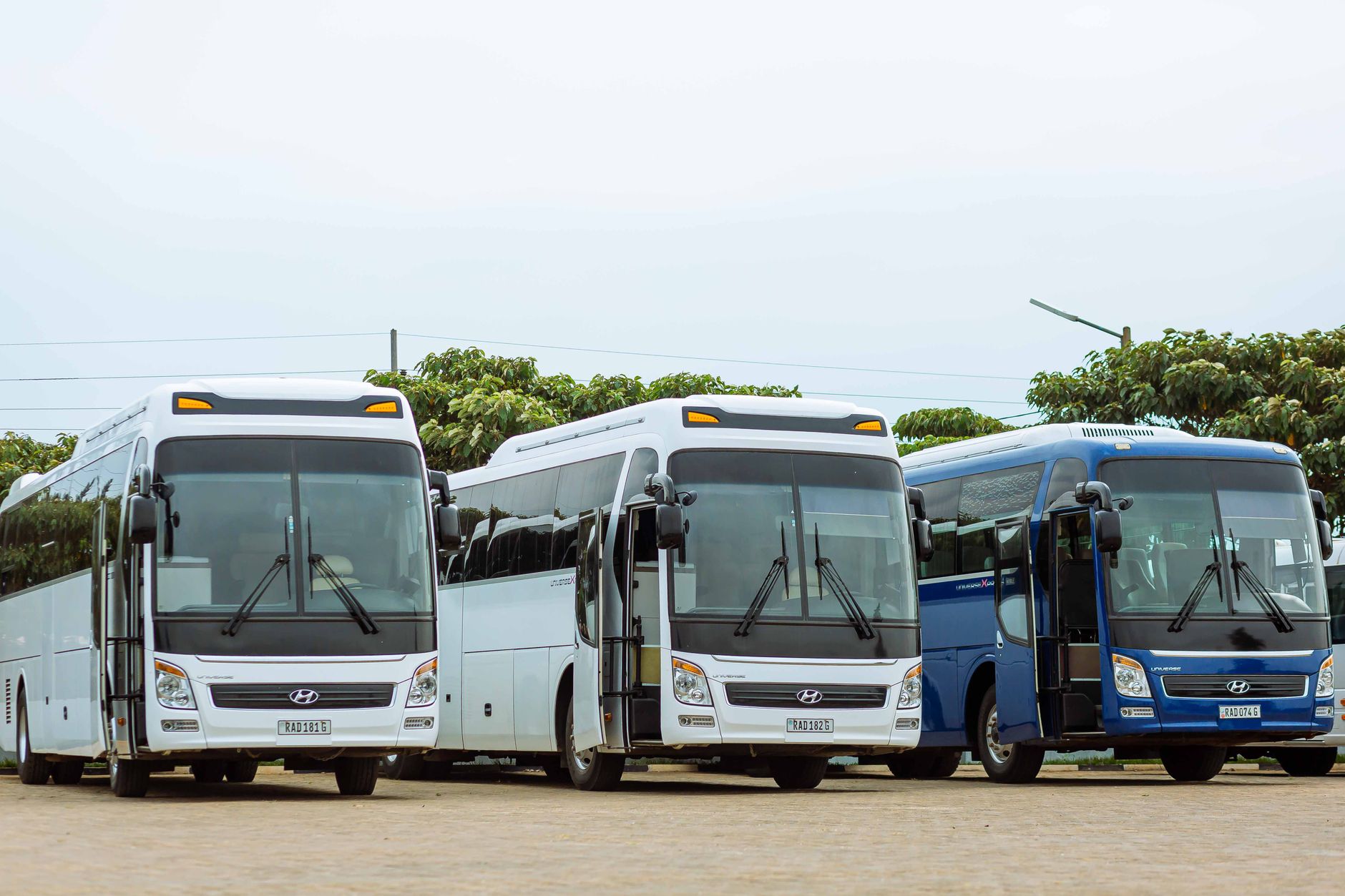
Photo by Safi Erneste on Pexels
Step 3: How can fans use the FIFA Fan Festival wisely?
The FIFA Fan Festival should be treated as a core event, not a backup plan. In Kansas City, it is positioned as a gathering point for live match viewing, food, entertainment, and international supporter culture during the 2026 World Cup.
The official Kansas City 2026 language frames the festival around “Good Matches, Good Food, Good Entertainment and Good People,” which tells you how to plan it: not as a single stop, but as a repeatable hub. A smart itinerary pairs one stadium day with one festival day, then reserves another festival window for a high-demand match involving a major national team such as Brazil, Argentina, England, France, Mexico, Canada, or the United States. The reason is simple: festival crowds often deliver the emotional payoff of a match without requiring a stadium ticket. For fans researching betting markets, festivals also reveal public sentiment, but sentiment is not the same as value. A roaring crowd for a favorite may explain line movement, yet it does not prove the favorite is underpriced.
Use the Fan Festival as a source of atmosphere and observation, not as your only analytical input. Before acting on any match opinion, compare public enthusiasm with measurable factors such as expected starting elevens, pressing intensity, set-piece weakness, rest periods, and travel strain. According to the Encyclopaedia Britannica, the World Cup has long been the most prominent international football tournament, which means casual money and media narratives can influence perception. Match Daily’s role is to help fans move from emotion to evidence by connecting tactical previews, player data, and tournament context. For related preparation, read our [Internal Link: World Cup betting markets explained].
Key ways to use the FIFA Fan Festival effectively include:
- Arrive earlier for matches involving host nations or former champions.
- Check local transport notices before leaving your hotel.
- Keep hydration, weather, and phone battery capacity in mind.
- Separate festival excitement from betting discipline.
- Use the festival to meet fans, not to chase last-minute rumors.
Step 4: How should Match Daily readers evaluate matches before kickoff?
Match Daily readers should evaluate 2026 World Cup matches by combining tactical structure, player availability, rest days, travel demands, and market pricing. The best prediction process starts with evidence, then checks whether the odds still offer value after public narratives are priced in.
A detailed match read should begin with the shape of the game. Ask whether one team is likely to press high, defend in a mid-block, overload wide channels, or rely on transition attacks. Then add personnel: a suspended holding midfielder can matter more than a headline forward if that midfielder protects central defenders against counterattacks. Finally, look at timing. In a 48-team World Cup, group dynamics may create unusual incentives; a team needing only a draw may approach the final group match differently from a team chasing goal difference. The International Betting Integrity Association regularly emphasizes integrity monitoring in sports betting markets, and that broader principle applies to fans too: use transparent information sources, avoid unverified leaks, and treat sudden odds swings as prompts for investigation rather than automatic signals.
Here is a practical pre-match framework:
- Confirm the fixture, venue, kickoff time, and weather conditions.
- Review expected lineups from at least two credible sources.
- Compare team rest days and travel distance since the previous match.
- Study tactical matchups, especially fullback zones and set pieces.
- Check whether the current price still matches your projected probability.
- Decide your stake before emotional pregame coverage begins.
A contrarian but useful conclusion: the most entertaining match is not always the best betting match. A high-profile game at Kansas City Stadium may attract heavy public interest, but that can reduce price value if casual bettors pile into the more famous nation. Conversely, a lower-profile group-stage fixture may offer clearer tactical edges because bookmakers and the public pay less attention to substitutions, travel fatigue, or matchup-specific weaknesses. That is where Match Daily’s focused coverage of player statistics and team tactics can give readers a more disciplined foundation. To continue building that skill, explore our [Internal Link: team tactics and player stats hub].
When you are ready to compare fan experience with match analysis, use Match Daily as your daily tournament companion.
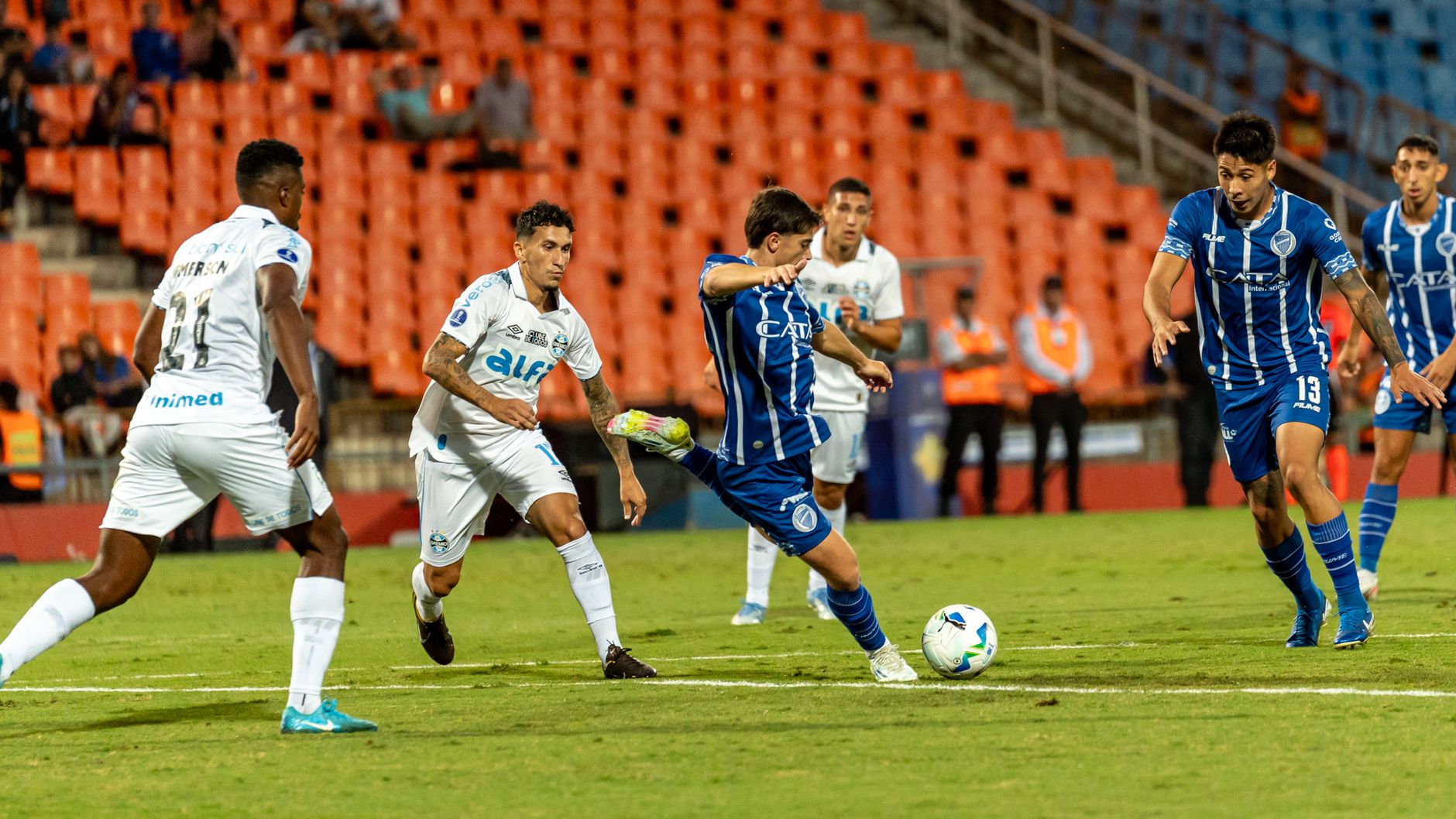
Photo by Franco Monsalvo on Pexels
Step 5: Verification
Verification means confirming every important 2026 World Cup detail through official or high-authority sources before spending money, traveling, or placing a bet. Fans should verify tickets, transport passes, accommodation, kickoff times, responsible gambling limits, and identity requirements.
Start with ticket and event verification. FIFA communications should be checked against official ticketing portals, while Kansas City transport details should be checked against local host-city pages rather than social media screenshots. For travel, confirm that your accommodation is close to a practical transport line, not merely “near Kansas City” in a broad search radius. For gambling-related activity, verification is equally important. Match Daily operates in a gambling industry context, so readers should treat betting as entertainment, use licensed operators where legal, and understand age requirements and local rules. The United Kingdom Gambling Commission states, “Gambling businesses must have policies, procedures and controls to prevent underage gambling,” a standard that reflects the broader importance of identity checks and safer gambling processes across regulated markets.
Use this verification checklist before the tournament:
- Ticket source: official FIFA channel or authorized provider.
- Transport: confirmed airport, stadium, and festival transfer option.
- Identity: passport, visa or entry documents, and age verification where required.
- Budget: match tickets, lodging, local transport, food, and entertainment.
- Betting: licensed operator, deposit limits, and pre-set staking rules.
- Backup: offline documents and emergency meeting point.
One operational tip that experienced event travelers use: create a “last confirmed” note on your phone for each match day. Include the date, kickoff time, stadium entry plan, transport departure time, weather, ticket location, and one responsible gambling reminder if you plan to follow odds. Update it only from official sources. This avoids the common failure of juggling five apps, three group chats, and outdated screenshots while walking toward a crowded venue.

Photo by Zulfugar Karimov on Pexels
Troubleshooting common failures
Common 2026 World Cup planning failures usually come from assuming that normal travel behavior will work during tournament conditions. The fixes are simple: verify earlier, add time buffers, keep backup routes, and separate emotional fan reactions from betting decisions.
If transport fails, do not immediately switch to the most expensive rideshare option without checking official staging points. Tournament cities often redirect vehicles, meaning the nearest pickup shown in an app may not be the fastest real-world option. If ticket access fails, step away from crowded gates and contact official support rather than relying on strangers offering “instant fixes.” If your betting account verification fails while traveling, the likely causes are location restrictions, identity mismatch, expired documents, or payment method controls. Do not attempt to bypass geo-rules; instead, use regulated platforms only where legal and complete verification before match day. For more responsible play guidance, visit our [Internal Link: responsible World Cup betting guide].
A second common failure is overreacting to team news. A star player being benched can be decisive, but it can also be tactical rotation against a weaker opponent. Before changing a prediction, ask three questions: does the replacement alter the team’s structure, does the market already account for the news, and does the match incentive still support the original read? This is where a knowledgeable-mentor approach matters. You are not trying to predict every bounce; you are trying to make better decisions than the crowd over many matches. Match Daily’s daily tournament coverage can help you keep that discipline from the group stage through the final.
The 2026 World Cup will reward fans who prepare like analysts and travel like experienced event planners. Kansas City offers stadium energy, a major FIFA Fan Festival, regional culture, and direct transport planning, but the best experience comes from verifying details before crowds, prices, and emotions rise. Use official sources for logistics, use evidence for predictions, and use Match Daily for daily context throughout the tournament.
Finish your 2026 World Cup preparation with sharper match insight and a more confident fan plan.
Frequently Asked Questions
Q: What is the 2026 World Cup?
A: The 2026 World Cup is FIFA’s expanded men’s international football tournament hosted by the United States, Canada, and Mexico. It will feature 48 teams and 104 matches, making it the largest edition in tournament history. Kansas City is one of the Host Cities and will support fans through stadium events, transport planning, and the FIFA Fan Festival Kansas City.
Q: How should I plan a Kansas City 2026 World Cup trip?
A: Plan your Kansas City trip by confirming tickets, accommodation, airport transfers, stadium transport, and Fan Festival timing in that order. Build your route around Kansas City International Airport, Kansas City Stadium match days, and official festival access points. Add at least one backup route and keep offline copies of key documents.
Q: What is the difference between a stadium match and the FIFA Fan Festival?
A: A stadium match gives you live access to one specific fixture, while the FIFA Fan Festival offers communal viewing, food, entertainment, and supporter culture. The festival can be more flexible because fans can attend without holding a ticket for that specific match. For many visitors, the best plan includes both experiences.
Q: Is betting on the 2026 World Cup worth it?
A: Betting on the 2026 World Cup can be worthwhile only if it is legal where you are, affordable, and based on disciplined analysis. Use licensed operators, set limits, and compare odds with tactical evidence rather than crowd emotion. Match Daily focuses on predictions, team tactics, and player statistics to support more informed decisions.
Q: Why does my World Cup travel or ticket plan fail at the last minute?
A: Last-minute failures usually happen because fans rely on outdated screenshots, unofficial posts, or normal traffic estimates. Tournament conditions can change road access, entry timing, and pickup zones quickly. Verify details through FIFA and local Kansas City sources before leaving your hotel.
Q: How much should I budget for the 2026 World Cup in Kansas City?
A: Your budget should cover match tickets, lodging, local transport, food, Fan Festival spending, mobile data, and emergency reserves. Costs will vary widely by match demand and travel dates, but booking early usually protects you from peak pricing. If you plan to bet, separate that bankroll from travel money and never use essential funds.
Thank you for reading.
Match Daily · Archive