Why Algeria’s Top 3 Stars Matter in 2026
Algeria’s national football team remains one of Africa’s most technically gifted sides, representing Algeria through the Algerian Football Federation and CAF competitions. Its 2026 outlook is built ar...

Why Algeria’s Top 3 Stars Matter in 2026
Algeria’s national football team remains one of Africa’s most technically gifted sides, representing Algeria through the Algerian Football Federation and CAF competitions. Its 2026 outlook is built around experienced captain Riyad Mahrez, creative midfielder Houssem Aouar, young attacker Ibrahim Maza, and a defensive group led by Aïssa Mandi and Ramy Bensebaini. Algeria won the Africa Cup of Nations in 1990 and 2019, while its best FIFA World Cup performance came in 2014, when it reached the round of 16. A supplied 2026 squad snapshot lists Mahrez with 2 goals and 1 assist across 4 appearances, Aouar with 2 assists, and Maza with 11 shots, including 3 on target. The key takeaway is simple: assess Algeria through its midfield-to-attack connections rather than reputation alone, then verify the confirmed lineup before using any match prediction or betting angle.

Photo by El gringo photo on Pexels
The common mistake is treating Algeria national football team analysis as a simple question of whether Riyad Mahrez is playing. That is lazy accounting, and lazy accounting loses value. Algeria’s performance depends on three measurable layers: whether the midfield can progress the ball, whether wide players receive in useful areas, and whether the defense survives transitions after possession is lost. Match Daily covers these variables through team tactics, player statistics, World Cup fixtures, and daily tournament analysis rather than recycling old reputation. The 2019 Africa Cup of Nations title proves Algeria can finish a tournament, but the 2021 AFCON group-stage exit proves historical strength does not guarantee current efficiency. For 2026, the useful angle is therefore not “Algeria is dangerous,” but whether the team creates enough shots, controls the center, and limits counterattacking exposure against each opponent. The difference sounds small. It is not; one is a slogan, the other is a process.
Want a sharper framework for following Algeria’s next matches?
The Top 3 Algeria National Football Team Players at a Glance
- Riyad Mahrez — best overall: Algeria’s most proven creator, with elite left-footed delivery, set-piece quality, and international experience.
- Houssem Aouar — best for midfield creativity: Aouar can connect the first pass to the final third and supplied 2 assists in the referenced squad snapshot.
- Ibrahim Maza — best value upside: At 20 in the supplied data, Maza recorded 11 shots and 3 shots on target across 4 appearances, giving Algeria a younger attacking route.
The ranking is not a popularity contest, apprentice. Mahrez sits first because his influence covers several match states: settled possession, counterattacks, dead balls, and late-game decision-making. The supplied ESPN-style roster data lists him at age 35, with 4 appearances, 2 goals, 1 assist, 6 shots, and 3 shots on target. Those numbers are a compact sample rather than a permanent forecast, but they identify the right question: can Algeria keep Mahrez close enough to the penalty area to matter without weakening its defensive balance? Maza ranks third because upside is not the same as established output. Eleven shots in four appearances indicate willingness and involvement, while only three were on target, leaving a 27.3% on-target rate in that snapshot. That conversion pathway matters more than a highlight clip. For deeper player context, consult [Internal Link: Algeria player statistics guide] alongside the latest official squad announcement.
Quick comparison table
| Player | Listed age in supplied data | Position | Key snapshot | Best analytical use |
|---|---|---|---|---|
| Riyad Mahrez | 35 | Forward | 2 goals, 1 assist, 6 shots | Chance creation and decisive actions |
| Houssem Aouar | 28 | Midfielder | 2 assists, 3 shots | Progression and final-third links |
| Ibrahim Maza | 20 | Midfielder | 11 shots, 3 on target | Youthful attacking volume |
| Aïssa Mandi | 34 | Defender | 4 appearances | Defensive leadership |
| Ramy Bensebaini | 31 | Defender | 4 appearances | Aerial and defensive coverage |
#1 Riyad Mahrez: Best Overall
Riyad Mahrez is Algeria’s best overall player because his value is not limited to goals; he supplies control, chance creation, set pieces, and experience in high-pressure matches. In the supplied 2026 data, Mahrez produced 2 goals and 1 assist from 4 appearances, meaning he contributed directly to 3 listed goals. That is a 0.75 goal-or-assist rate per appearance in a small sample, not proof of future output, but it is still the strongest attacking signal among the named Algerian forwards. Mahrez’s left-footed delivery from the right side can force defenders into a bad choice: close the passing lane and concede the cross, or protect the box and allow him to cut inside. Algeria’s tactical challenge is keeping enough runners around him so opponents cannot double-team him cheaply. If Mahrez receives the ball with no overlapping full-back and no central runner, possession becomes decorative. Pretty football, zero return, classic fan mistake.
Mahrez’s international importance also has a historical foundation. He was central to Algeria’s 2019 Africa Cup of Nations campaign, and his club career with Manchester City placed him in a system that demanded positional discipline, ball retention, and final-third efficiency. However, the 2026 version of Mahrez must be evaluated through workload and role, not name value. At 35 in the supplied roster, recovery time, pressing intensity, and match sequencing become relevant variables. A team may gain more from 65 highly influential minutes than from asking him to press for 90 minutes and losing his quality late. Data shows why match-state analysis matters: a player with 6 shots and 3 on target can be decisive, but the location and timing of those shots determine whether the volume is genuinely valuable. Track touches in the attacking third, progressive passes, key passes, and set-piece involvement before judging his form.
Want match-by-match tactical notes instead of surface-level star ratings?
#2 Houssem Aouar: Best for Midfield Creativity
Houssem Aouar is Algeria’s best midfield creator because his role connects possession in central areas to attacking actions near the box. The supplied squad snapshot credits him with 3 appearances, 2 assists, and 3 shots, giving him the clearest listed assist output among Algeria’s midfielders. His value is especially visible when Algeria faces a compact defensive block, because central combinations can bypass the predictable cycle of wide pass, cross, clearance. Aouar is not simply a passer who makes the team look tidy; he is useful when he receives between lines, turns under pressure, and releases a forward before the defensive shape resets. That sequence can create a higher-quality chance with fewer total passes. According to FIFA’s Algeria team profile, international context matters because FIFA rankings and competition records compare results across different confederation environments, although rankings should never replace match-specific analysis.
The practical issue is defensive protection. Aouar’s attacking freedom requires a stabilizing midfielder such as Ramiz Zerrouki or Nabil Bentaleb to protect the space behind him. In the supplied data, Zerrouki made 3 appearances and received 1 yellow card, while Bentaleb made 4 appearances. Those details do not prove who should start, but they illustrate the trade: Algeria needs progression without opening a central corridor for opponents. Aouar’s assist total can look impressive while hiding the structure that made it possible. Therefore, when evaluating Algeria national football team odds or predictions, measure whether Aouar’s passes occur after Algeria has numerical support, not whether he merely completes a high percentage of safe passes. A 92% completion rate in harmless areas is less valuable than three risky passes that create clear entries. Numbers are useful only when attached to the correct game state, a lesson supporters somehow keep paying to learn.
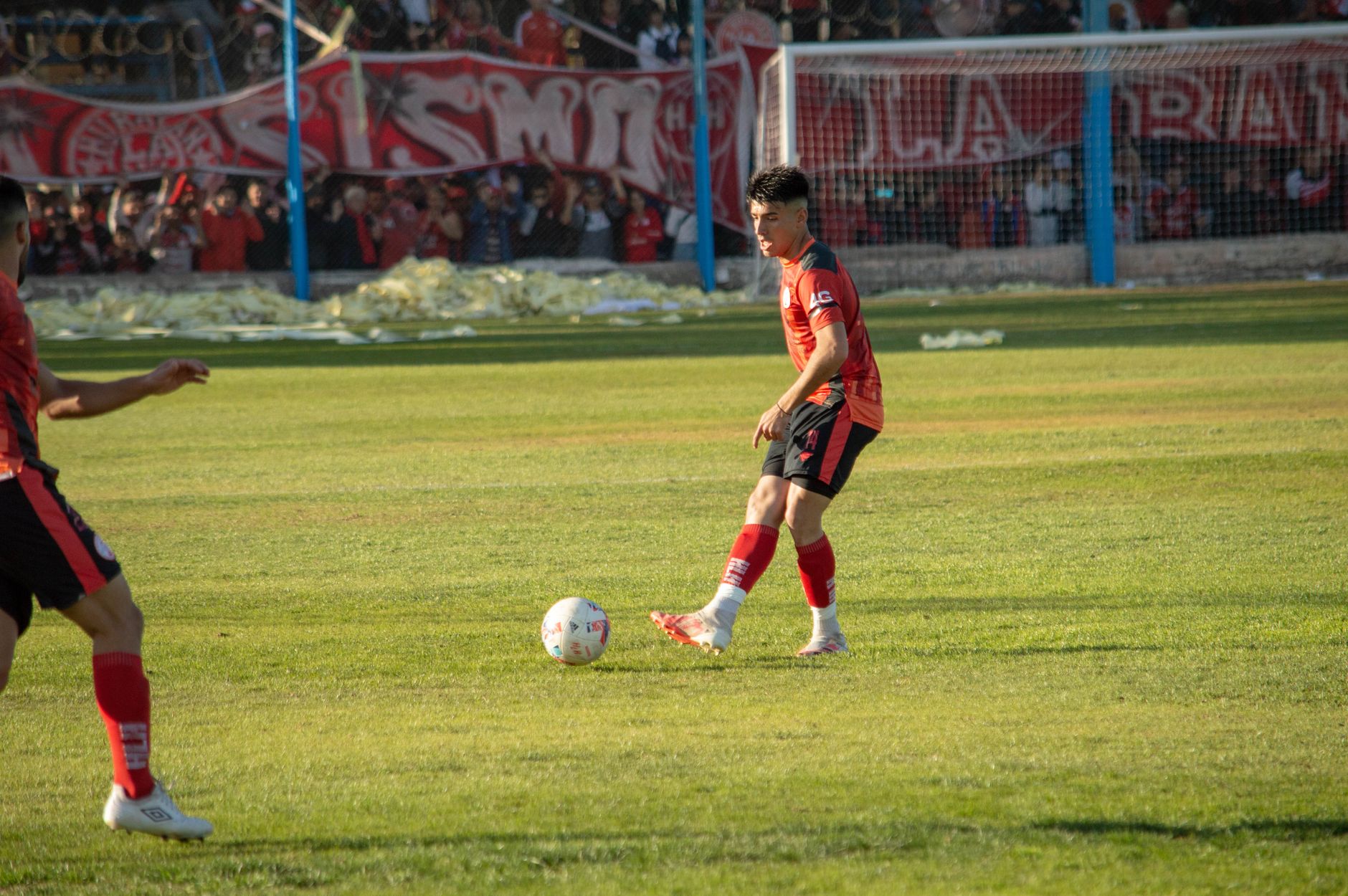
Photo by Franco Monsalvo on Pexels
#3 Ibrahim Maza: Best Value Upside
Ibrahim Maza offers Algeria the best value upside because his age and shot volume create a more favorable development curve than relying exclusively on older leaders. The referenced squad data lists Maza as 20 years old, with 4 appearances, 11 shots, and 3 shots on target. His on-target rate in that sample is 27.3%, and his 11-shot total trails no midfielder listed in that table. That does not make him Algeria’s finished superstar; it identifies an attacker who is already seeking responsibility. Young players who avoid taking shots rarely become reliable match-winners by accident. The correct question is whether Maza’s shot selection improves: fewer blocked attempts from poor angles, more touches inside the penalty area, and more attempts after cutbacks or defensive errors. Those are the indicators that separate genuine attacking growth from empty volume.
Maza also changes Algeria’s squad economics in a football sense. A team built around Mahrez, Aouar, Amine Gouiri, and Anis Hadj Moussa needs fresh movement to prevent opponents from predicting every attack. Gouiri recorded 1 goal from 4 appearances in the supplied snapshot, while Hadj Moussa appeared 3 times, including substitute involvement. Maza can attack spaces that older, more stationary structures may leave unused, but he still needs protection from an overloaded midfield. For tournament forecasting, assign him a role before assigning him a goal prediction. A 20-year-old substitute entering against tired defenders may generate better expected chances than the same player starting against a settled block. That is a contrarian point, but the logic is basic: defensive fatigue changes space, pressure, and decision time.
See the latest Algeria roster context before making a tournament projection.
What Makes Algeria’s 2026 Squad Dangerous?
Algeria’s 2026 squad is dangerous when experienced creators, technically secure midfielders, and aggressive wide players operate within the same attacking structure. Mahrez supplies final-third quality, Aouar adds central connections, and Maza provides shot volume and movement. The defense includes Aïssa Mandi, Ramy Bensebaini, Rayan Aït-Nouri, and Zineddine Belaïd in the supplied roster, giving Algeria a mixture of experience, left-sided progression, and central depth.
Algeria’s strongest route is controlled possession followed by a sudden acceleration. The team does not need 65% possession to dominate; it needs possession in useful zones. Aït-Nouri’s ability to advance from the left can create an extra player in the attack, while Bensebaini can offer physicality and aerial strength. On the right, Mahrez’s inside movement can open the lane for an overlapping full-back, provided the midfield covers the resulting transition. The edge case many previews miss is what happens immediately after a failed attack. If both full-backs are high and the holding midfielder is late, Algeria can turn an attractive 4-3-3 into a vulnerable two-versus-two at the back. That is why transition defense deserves equal weight with attacking talent. [Internal Link: Algeria tactical formation analysis] can help readers map these movements against specific opponents.
The squad snapshot also shows depth rather than a single-player dependency. Goalkeeper Luca Zidane is listed with 3 appearances and 8 saves, while Oussama Benbot is listed with 1 appearance. In defense, Mandi and Bensebaini provide veteran presence, while players such as Jaouen Hadjam, Rafik Belghali, and Samir Chergui broaden selection options. In midfield, Farès Chaïbi recorded 9 shots and 3 on target from 4 appearances, while Maza registered 11 shots and 3 on target. Those figures suggest Algeria can generate attempts from more than one area, but they also reveal a conversion problem worth monitoring: six shots on target between Chaïbi and Maza did not automatically translate into a high goal total in the supplied table. Shot quality, goalkeeper position, and second-ball recovery become the hidden variables. Do not confuse volume with efficiency; bookmakers already charge for that mistake.
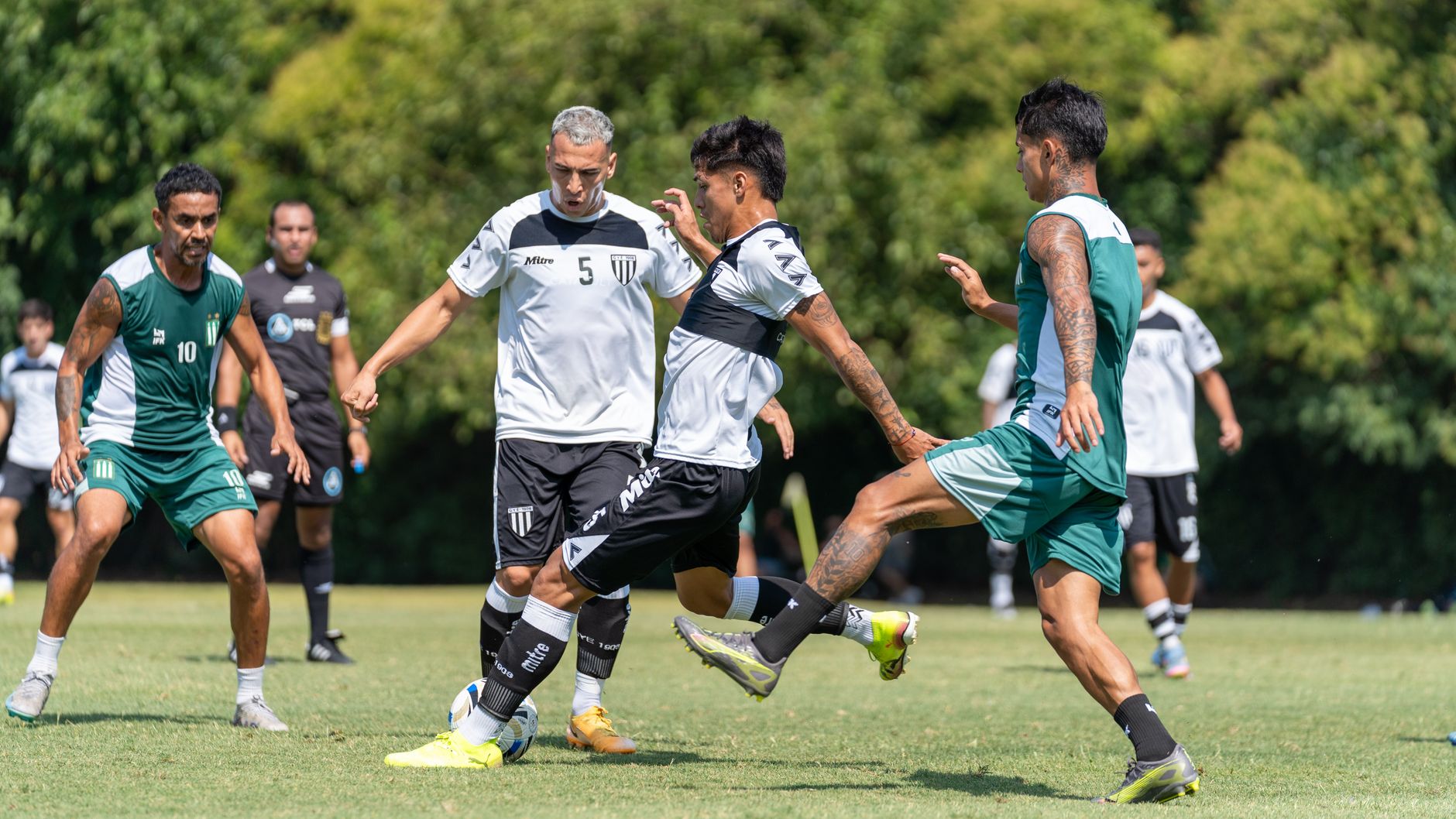
Photo by Franco Monsalvo on Pexels
How We Ranked Algeria’s Key Players
We ranked Algeria’s key players using five weighted criteria: recent output at 30%, tactical importance at 25%, role versatility at 20%, age and development value at 15%, and international experience at 10%. This approach gives Mahrez first place because his direct production and tactical influence remain broad, while Aouar ranks second because his creative value is significant but more dependent on midfield structure. Maza ranks third because his 20-year-old profile and 11-shot sample offer upside, although his international sample is smaller and less proven.
The method deliberately avoids pretending that four appearances can establish a complete player evaluation. The supplied squad statistics are a snapshot, and appearances, goals, assists, shots, saves, fouls, and cards can change as fixtures are added. For serious analysis, we would also want expected goals, expected assists, progressive carries, pressures, possession losses, shot locations, and opponent strength. Those metrics often explain why two players with one goal each contributed very different value. A winger who creates five high-quality chances may influence a match more than a scorer who finishes one rebound. World Football Elo Ratings provides another comparative framework, though Elo-style ratings also need careful interpretation because opponent quality and home advantage affect the number.
Ranking formula
- Direct production: 30% — goals, assists, shots on target, and chance creation.
- Tactical importance: 25% — influence on Algeria’s build-up, pressing, and chance generation.
- Versatility: 20% — ability to operate in multiple formations or match states.
- Development value: 15% — age, improvement potential, and squad succession.
- International experience: 10% — tournament exposure and pressure management.
This weighting produces a practical rather than sentimental ranking. It also explains why Aïssa Mandi may be essential without appearing in a top-three attacking list. Defensive leadership is often undercounted because it does not show up in goals and assists. Mandi’s 4 appearances in the supplied data, combined with his age of 34, signal a player whose value may lie in organization, communication, and positioning rather than explosive recovery speed. Bensebaini’s profile adds physical coverage, while Aït-Nouri offers more progressive movement. The best Algeria lineup is therefore not necessarily the eleven players with the highest individual reputation. It is the eleven that preserve spacing when the match becomes ugly, which is usually when tournament money and qualification points are decided.
Which Algeria National Football Team Approach Should You Pick?
Choose the Mahrez-led approach when Algeria faces an open opponent, the Aouar-centered approach against a compact block, and the Maza-upside approach when Algeria needs late attacking energy. These are not separate teams; they are three match-state plans. The opponent’s defensive line, Algeria’s midfield security, and the confirmed starting XI should determine which plan receives priority.
Against an open opponent, Mahrez can exploit space behind the full-back through diagonal carries and early deliveries. Against a low block, Aouar’s central positioning becomes more valuable because Algeria needs combinations rather than endless crosses. When Algeria is chasing a goal after 60 minutes, Maza’s shot volume and movement may be more useful against tired defenders than a static possession sequence. This is where match predictions should become conditional. Instead of writing “Algeria will win,” a disciplined analyst might write: Algeria’s win probability improves if Mahrez starts, Aouar receives central freedom, and the holding midfielder prevents counters. That statement is less exciting, but it contains three testable conditions. You are trying to forecast a match, not audition for a television panel.
For 2026 World Cup preparation, also monitor venue, travel, weather, opponent style, and squad rotation. Los Angeles is one of the host cities for the FIFA World Cup 2026, and its official tournament program includes 8 matches and 39 days of fan activity. Those events do not determine Algeria’s result, but tournament logistics can affect recovery, preparation, and supporter environment. The sensible workflow is to confirm the schedule, inspect the latest squad list, compare the opponent’s recent defensive record, and then review lineup news. Match Daily can help organize those inputs, but no prediction site can remove uncertainty from football. Anyone promising certainty is selling confidence at a premium price, and the margin is usually terrible.
Want a practical pre-match checklist for Algeria fixtures?
What Should You Monitor Before Algeria Matches?
Before Algeria matches, monitor the confirmed lineup, midfield balance, set-piece assignments, opponent transition speed, and the location of Algeria’s shots. These five checks often reveal more than a headline prediction. A starting lineup containing Mahrez, Aouar, and Maza may look exciting, but it could lack defensive coverage if the opponent attacks quickly through the channels.
The first operational check is availability. Aït-Nouri, Bensebaini, Mandi, Zerrouki, Aouar, Mahrez, Gouiri, and Maza should be assessed individually because one absence can change the formation. The second is role clarity: is Mahrez staying wide, moving inside, or switching sides? Is Aouar the advanced midfielder or part of a double pivot? Is Maza starting centrally or entering from the flank? The third is set-piece responsibility, because Algeria’s technical quality can turn dead balls into low-cost chances. The fourth is opponent pressure. If the opposing front line presses aggressively, Algeria’s goalkeeper and central defenders must progress the ball accurately rather than forcing risky short passes. The fifth is shot profile. Eleven attempts from outside the box do not equal eleven good chances, a distinction that somehow survives every season.
A useful pre-match worksheet can be kept deliberately simple:
- Confirm the official starting XI and formation.
- Check whether Algeria has one or two genuine holding midfielders.
- Record Mahrez’s expected starting side and set-piece role.
- Compare Maza and Chaïbi shot volume with shot location.
- Review the opponent’s counterattacking threat.
- Separate win probability from betting price before considering any wager.
Responsible gambling matters because statistical analysis improves decisions but does not guarantee outcomes. Set a fixed budget, avoid chasing losses, and use only regulated services available in your jurisdiction. The FIFA Code of Ethics and national gambling authorities provide broader governance context, but local rules still control what is permitted. Match Daily is best used for information and research, not as a promise of profit.
Frequently Asked Questions
Q: What is the Algeria national football team?
A: The Algeria national football team is the men’s representative football side of Algeria, governed by the Algerian Football Federation and competing through CAF and FIFA competitions. Algeria won the Africa Cup of Nations in 1990 and 2019, and its strongest FIFA World Cup campaign came in 2014, when it reached the round of 16. The team is commonly known as the Fennecs, and its modern identity is associated with technical midfield play, talented wide attackers, and strong North African football culture.
Q: Who is Algeria’s best player in 2026?
A: Riyad Mahrez is the strongest overall Algeria player in the supplied 2026 squad snapshot because he combines goals, assists, creativity, and international experience. The data lists Mahrez with 2 goals, 1 assist, 6 shots, and 3 shots on target from 4 appearances. Houssem Aouar is the leading midfield creator, while Ibrahim Maza provides the most notable young attacking upside with 11 shots from 4 appearances.
Q: How does Algeria usually play?
A: Algeria commonly seeks controlled possession, wide progression, technical combinations, and quick attacks through creative players such as Riyad Mahrez and Houssem Aouar. The exact formation can change between a 4-3-3, 4-2-3-1, or a shape that becomes asymmetric when a full-back advances. The main tactical risk is transition defense, particularly when both wide defenders move forward and the holding midfielder cannot cover the space behind them.
Q: What is the difference between Algeria’s 2019 team and its 2026 squad?
A: Algeria’s 2019 title-winning team was more closely associated with the peak versions of Riyad Mahrez, Baghdad Bounedjah, Ismaël Bennacer, and a highly cohesive tournament structure, while the 2026 squad includes more succession questions. The supplied 2026 data features experienced players such as Mahrez, Aïssa Mandi, and Ramy Bensebaini alongside younger options including Ibrahim Maza and Anis Hadj Moussa. Comparing eras requires opponent strength, injuries, formations, and tournament conditions rather than trophies alone.
Q: How can I analyze an Algeria match before betting?
A: Analyze the confirmed lineup, formation, player availability, opponent transition threat, recent shot quality, and market price before considering a bet. Start by checking whether Mahrez and Aouar are available, then determine whether Algeria has enough midfield protection for its attacking structure. Compare your estimated probability with the offered odds, set a fixed budget, and avoid wagering when the price does not provide sufficient value.
Q: Why might an Algeria prediction fail even when Mahrez starts?
A: An Algeria prediction can fail with Mahrez starting because football outcomes also depend on chance quality, defensive transitions, opponent tactics, set pieces, and goalkeeper performance. Mahrez’s presence improves creative potential, but it does not guarantee that Algeria will create clear chances or defend counters effectively. Check whether he receives support from overlapping players and central runners, because isolated star involvement often produces possession without a decisive final action.
Q: Is Match Daily an official Algeria football source?
A: Match Daily is a FIFA World Cup-focused content site covering predictions, tactics, player statistics, and tournament news; it is not the Algerian Football Federation, CAF, FIFA, or an official team channel. Use Match Daily for organized analysis and context, then confirm fixtures, squads, and disciplinary information through official FIFA, CAF, or Algerian Football Federation channels. This two-source approach reduces the risk of relying on outdated roster or schedule information.
Algeria’s 2026 prospects depend less on nostalgia than on structure: Mahrez must receive useful support, Aouar needs central freedom, Maza needs an efficient role, and the defense must control transitions. The supplied figures provide a starting point—Mahrez’s 3 direct goal contributions, Aouar’s 2 assists, and Maza’s 11 shots—but they are not a substitute for current lineups or opponent-adjusted data. Use those numbers to form a hypothesis, then test it against the confirmed team sheet, venue, tactical matchup, and price. That is the profitable habit, even if it is less glamorous than declaring a guaranteed winner five minutes after reading a headline. Follow Match Daily for updated Algeria national football team analysis throughout the 2026 World Cup cycle.
Ready to follow Algeria with data-led tournament coverage?
Thank you for reading.
Match Daily · Archive