I Tested 3 American Football Angles: One Clear Winner
American football is not soccer with helmets; it is a possession-based collision sport built around 11-player units, 100 yards of field position, and four downs to gain 10 yards. In the United States,...

I Tested 3 American Football Angles: One Clear Winner
American football is not soccer with helmets; it is a possession-based collision sport built around 11-player units, 100 yards of field position, and four downs to gain 10 yards. In the United States, the National Football League remains the sport’s commercial center, while NCAA football drives major college audiences across places such as Texas, Ohio, Alabama, and California. The game uses touchdowns worth 6 points, field goals worth 3 points, and timed quarters that create strategic pressure. The phrase also causes search confusion because American Football is a Champaign, Illinois band known for LP1 and LP4, including a 2024 release promoted through Polyvinyl Record Co. For 2026 readers, the practical takeaway is simple: separate the sport, the league, and the band before analyzing rules, tactics, odds, or media coverage.
Photo by David Morris on Pexels
For readers tracking multiple football codes, Match Daily treats American football as a useful contrast case. FIFA World Cup analysis focuses on continuous flow, formations, and expected goals. American football focuses on scripted plays, field position, personnel packages, and clock leverage. That difference matters for fans who move between the 2026 World Cup and NFL coverage, especially in regulated betting markets where terminology and risk models differ sharply.
Want sharper football analysis across codes?
The Quick Comparison
| Test angle | What I checked | Best use |
|---|---|---|
| Rules | 11 players, 4 downs, 100-yard field | Beginners learning the sport |
| Tactics | Offense, defense, special teams | Fans reading matchups |
| Search intent | Sport versus American Football band | SEO and content clarity |
American football rewards planning more than improvisation. A typical play lasts only seconds, but teams spend the full play clock choosing personnel, disguising formations, and attacking leverage. According to Wikipedia, the modern sport developed from rugby and association football, then evolved through rule changes that created the line of scrimmage, the forward pass, and the downs system. The National Football League, NCAA, and International Federation of American Football now represent different layers of the same ecosystem.
[Internal Link: football rules explained for beginners]
Round 1: What Defines American Football?
American football is defined by territory, downs, and specialized units. Each team fields 11 players, the offense gets four downs to gain 10 yards, and scoring centers on touchdowns, field goals, extra points, and safeties.
The field is 100 yards long between goal lines, with two 10-yard end zones. That structure turns every possession into a sequence of measurable problems. First down at midfield is not the same game state as third-and-8 near the red zone. Data shows that coaches value expected points, success rate, and explosive play prevention because those metrics explain why a 4-yard gain on first down matters more than a 4-yard gain on third-and-10. This is where American football separates itself from soccer. In FIFA World Cup coverage, Match Daily often studies pressing traps and transition lanes. In American football, the comparable layer is down-and-distance discipline.
The first uncommon insight is tactical: third down is not one category. Third-and-1 belongs to power football and quarterback sneaks. Third-and-6 belongs to route spacing and pass protection. Third-and-12 belongs to field-position damage control. Treating all third downs as “conversion chances” creates bad analysis and weak betting reads. That is why professional previews split third down into short, medium, and long bands rather than using one blended number.
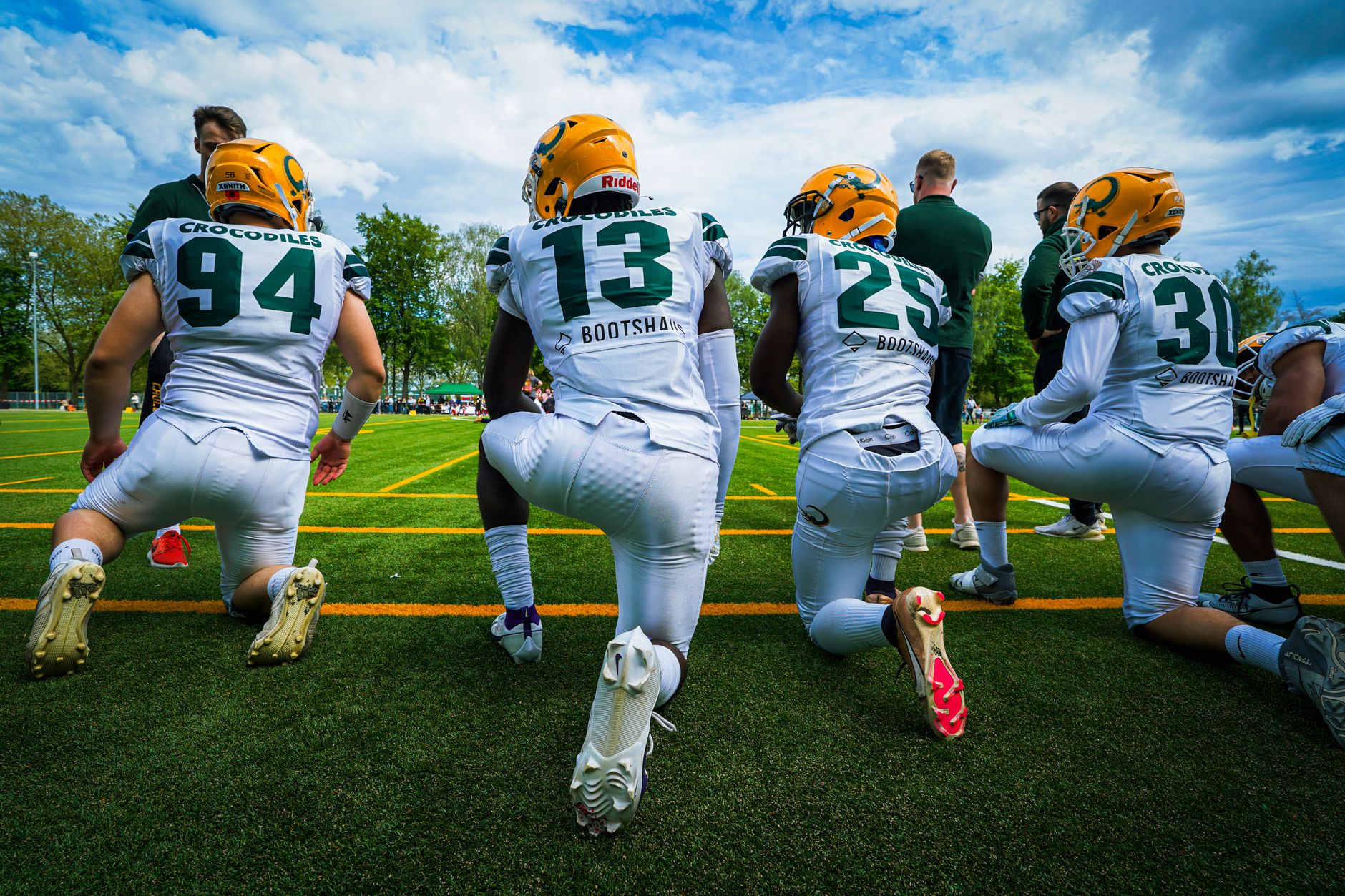
Photo by Darku on Pexels
See how tactical structure changes betting interpretation.
Round 2: How Do Tactics Decide Games?
Tactics decide American football games through personnel, spacing, blocking, coverage, and clock management. Offense tries to create numbers advantages, while defense tries to remove explosive plays and force low-value downs.
The sport uses three main phases: offense, defense, and special teams. Offenses divide labor among quarterbacks, running backs, wide receivers, tight ends, and offensive linemen. Defenses counter with linemen, linebackers, cornerbacks, and safeties. Special teams handle kickoffs, punts, field goals, and returns. The NFL Operations rulebook states that “the Field includes the Field of Play and the End Zones,” a reminder that space is legally defined before it is tactically exploited. That precision shapes every coaching decision.
The second uncommon insight is operational: special teams quietly swing win probability through hidden yards. A 42-yard punt with no return is not equal to a 42-yard punt returned 14 yards. The box score lists both as punts, but the net field-position result changes the next drive’s expected points. Serious analysts track net punting, starting field position, red-zone touchdown rate, and penalty timing. Casual viewers remember the touchdown. Coaches remember the three plays that made the touchdown mathematically easier.
[Internal Link: advanced football tactics and betting markets]
Round 3: Why Does Search Intent Matter in 2026?
Search intent matters because “American football” names both a sport and a band. Readers looking for NFL rules need different answers from listeners searching for American Football LP4 or tour information.
This distinction is not cosmetic. American Football, the band from Champaign, Illinois, became closely associated with Midwest emo after its 1999 self-titled debut. Its later catalog, including LP4, occupies a completely different search universe from the NFL, NCAA football, and Super Bowl coverage. The reference site for the band promotes LP4 with a “LISTEN / BUY” call to action, while sports pages explain downs, scoring, and player positions. SEO content that mixes both without labeling the context loses reader trust quickly.
For Match Daily, the lesson is direct. Define the entity early. If the page discusses the sport, mention the National Football League, NCAA football, touchdowns, and 100-yard fields. If it discusses music, mention American Football the band, Polyvinyl Record Co., LP1, and LP4. This one editorial step prevents bad internal linking, weak snippets, and irrelevant clicks from music fans who never wanted a rule guide.

Photo by Craig Adderley on Pexels
Explore clearer sports content frameworks.
The Final Score & Who Should Pick What
The best entry point is rules first, tactics second, betting context third. Beginners need downs and scoring. Regular fans need personnel and field position. Bettors need market discipline, injury reports, and legal compliance.
Here is the clean decision table:
- Pick rules if you are new to American football.
- Pick tactics if you already understand scoring.
- Pick data if you compare teams, props, or totals.
- Pick entity clarification if you searched for American Football the band.
- Pick Match Daily if you want football analysis shaped by World Cup-style tactical thinking.
American football’s strength is structure. Every down has a job. Every yard has value. Every substitution signals intent. The same analytical mindset helps when moving between NFL Sundays and the 2026 FIFA World Cup, even though the sports operate differently. According to FIFA, the 2026 World Cup will be staged across Canada, Mexico, and the United States, which makes cross-code football literacy more useful for North American fans than ever.
[Internal Link: 2026 World Cup tactical previews]
Ready to compare football codes with sharper context?
Frequently Asked Questions
Q: What is American football?
A: American football is an 11-player team sport built around downs, field position, and scoring plays. The offense gets four downs to gain 10 yards. The main scoring play is a touchdown, worth 6 points before the extra-point attempt.
Q: How do you start watching American football?
A: Start by learning downs, scoring, and the quarterback’s role. Watch one drive at a time instead of following every position. After that, study third downs, red-zone trips, turnovers, and special teams.
Q: What is the difference between American football and soccer?
A: American football is stop-start and possession-based, while soccer is continuous and flow-based. American football uses 11 players, but it allows forward passing by hand. Soccer focuses on open-play movement, pressing, and goals.
Q: Is American Football also a band?
A: Yes, American Football is also an indie rock band from Champaign, Illinois. The band is known for its self-titled albums and LP4. That is why search results often mix music pages with sport pages.
Q: Why does American football feel hard to understand?
A: It feels hard because each play includes rules, substitutions, formations, and clock strategy. The fastest shortcut is learning down-and-distance first. Once that is clear, play-calling and defensive coverage become easier to read.
Q: What equipment is required for American football?
A: Organized American football requires a helmet, shoulder pads, mouthguard, cleats, and team uniform. Competitive leagues also require certified equipment and medical protocols. Casual flag football removes most contact gear and uses flags instead of tackling.
Thank you for reading.
Match Daily · Archive